

SPF, Actually – Part 3: Last summer’s sunscreen is still in your car. Would you trust it?
That half-used bottle rolling around your car since last summer might be doing less than you think. Here’s a 30-second test, a Cape Town weekend checklist and the storage fix that makes sunscreen last. It’s Saturday, 9am, the south-easter is taking a breather, and Clifton is calling. You reach into the car door pocket and find last summer’s sunscreen, with... Read more → The post SPF, Actually – Part 3: Last summer’s sunscreen is still in your car. Would you trust it? appeared first on Cape Town

AI summary
That half-used bottle rolling around your car since last summer might be doing less than you think. Here’s a 30-second test, a Cape Town weekend checklist and the storage fix that makes sunscreen last.
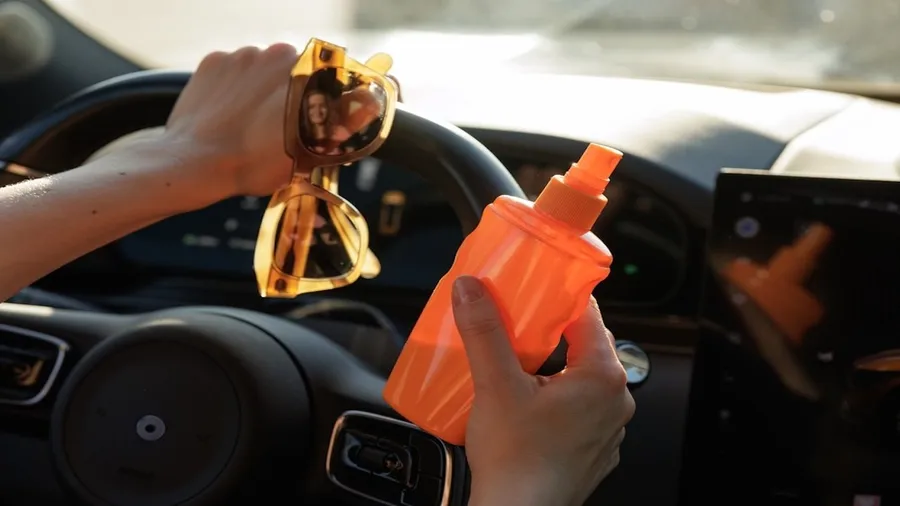
It’s Saturday, 9am, the south-easter is taking a breather, and Clifton is calling. You reach into the car door pocket and find last summer’s sunscreen, with a crust of Muizenberg sand around the cap. You squeeze, and out comes something between salad dressing and wet paint.
Do you slap it on and hope for the best? Not so fast. Cape Town’s UV index is forecast to reach an extreme 11 today, so this bottle deserves a proper look first.
Your car is a sunscreen sauna
Sunscreen is made to live somewhere cool and dry. The Skin Cancer Foundation says excessive heat, whether on the beach or in your car, can break down the active ingredients and reduce how well they work. Consumer Reports’ sunscreen testers say sunscreen exposed to direct sunlight or excessive heat can deteriorate faster, and a bottle sitting in a car boot is exactly that.
Heat may also hit the preservatives. One US news report, relaying FDA shelf-life advice, says heat can break down preservatives, so bacteria and fungi grow faster.
The sneaky part is that a tired bottle doesn’t announce itself. Sunscreen can lose effectiveness without any visible signs. You usually find out when you’re pink by lunchtime.
The three-year rule, and the date nobody can find
In the US, sunscreens must keep their SPF and broad-spectrum protection for three years, and that’s for a bottle stored properly. Plenty of local bottles carry a printed expiry date, so look on the crimped end of the tube or the base of the bottle.
No date? The Skin Cancer Foundation says to mark the month and year you bought it. Some bottles also show a tiny open-jar icon with a number. A ‘12M‘ means use it within 12 months of first opening, whatever the printed expiry says.
And if you honestly can’t remember when you bought it? The FDA says to discard it when you don’t know its age.
The glovebox test: keep it or bin it
Run your bottle through this before you leave the house:
-
Past the date?
If the printed expiry or the open-jar window has passed, bin it.
-
No date and no memory?
If you can’t say when you bought it, or it’s over three years old, bin it.
-
Lived in the car, boot or a sunny windowsill?
Treat it as compromised and bin it.
-
Separated, watery, grainy or smelling off?
Bin it. Oil floating on top, a changed texture, an odd smell or a different colour are all warning signs.
-
In date, stored in a cool cupboard?
Keep it and carry on.
A new bottle costs far less than a weekend of peeling, and far less than the skin damage you can’t see.
Fresh bottle? Use it like you mean it
A new bottle only helps if you use it properly. CANSA advises an SPF of 20 to 50, and 30 to 50 for fair to very fair skin. It also says to apply it 20 minutes before going outside and reapply at least every two hours, and after towel drying, sweating or swimming.
Most of us are far too stingy with it. The Skin Cancer Foundation’s answer to how much is enough is ‘more than you’ve been using’. One dermatologist quoted by Fox News puts it at roughly a shot glass’s worth for the whole body.
Don’t let a cool, blustery day fool you either. CANSA points out that UV rays penetrate cloud cover and can even intensify through reflection. The south-easter cools your skin, but it does nothing to block the UV.
Where sunscreen should live (no electricity required)
Home is a cool, dry cupboard, away from direct sunlight and heat. That also means no sunny bathroom shelf, and nothing that goes dark when Stage 6 hits and the aircon goes with it.
On the move, the Skin Cancer Foundation’s advice is simple: put the sunscreen in your bag rather than leaving it in the car. Buy sizes you’ll finish in a season, and write the date on the bottle in permanent marker. That removes the guesswork.
Also read: SPF, Actually – Part 2: Your makeup has SPF. Your face has follow-up questions
Your Cape Town weekend SPF plan
-
Friday night:
run the glovebox test on every bottle in the house and car, and bin the casualties.
-
Date it:
write the purchase month on the new one.
-
Pick your hours:
Cape Town’s UV peaks between about 10am and 2pm in the hot dry months, so Lion’s Head at sunrise and a Promenade walk after 4pm are kind to your skin.
-
Apply at home:
do it 20 minutes before you leave, not in the car park at Camps Bay.
-
Pack it in your bag:
keep the bottle in the shade, with a hat, sunglasses and an SPF lip balm. The
American Cancer Society
suggests lip balm with at least SPF 30.
-
Set a timer:
reapply every two hours, and straight after every swim at Muizenberg.
-
Winelands day:
a long lunch on the veranda still counts as sun time, so top up between tastings.
Speaking of tastings, it’s worth knowing how much wine is too much before a long lazy lunch, because a few glasses make reapplying the first thing to slip. And if the tiredness after a big week runs deeper than a beach day can fix, there’s a guide to burnout recovery worth reading.
When to get a professional to look
Good sunscreen habits lower your risk, but they don’t make you invincible. CANSA notes that South Africa has one of the highest monitored UV levels in the world, and one of the highest rates of skin cancer. Its advice is to check your spots, because skin cancer is easy to spot on the skin.
If you notice a new mark, or a mole that changes shape, colour or size, book a visit with your GP or a dermatologist. If a sunscreen leaves you with a rash, stop using it and ask your pharmacist for an alternative. None of this needs to be alarming. It just needs doing.
Your skin has to last a lifetime. Your sunscreen only has to last a summer, so let last year’s bottle retire.
Also read:
SPF, Actually – Part 1: What SPF 50 means and how to use it properly
Picture: Supplied.
The post SPF, Actually – Part 3: Last summer’s sunscreen is still in your car. Would you trust it? appeared first on Cape Town ETC.
Follow the story
About this article
- Length
- 1,109 words · 6 min read
- Published
- November 14, 2026
- Byline
- Adrienne Bredeveldt
- Source
- Cape Town ETC