

Department tips farmers on seed planting timing
AT WORK—Farmer Florida Shona plants seed By Bertha Banda: The Department of Climate Change and Meteorological Services (DCCMS) has warned farmers against planting after isolated rainfall, urging them to establish when sustained rains are expected before sowing during the 2026-27 farming season. DCCMS has said this on its official Facebook page, where it has implored farmers to use district-specific seasonal forecasts to determine when sustained rainfall would begin in their areas. The department

AI summary
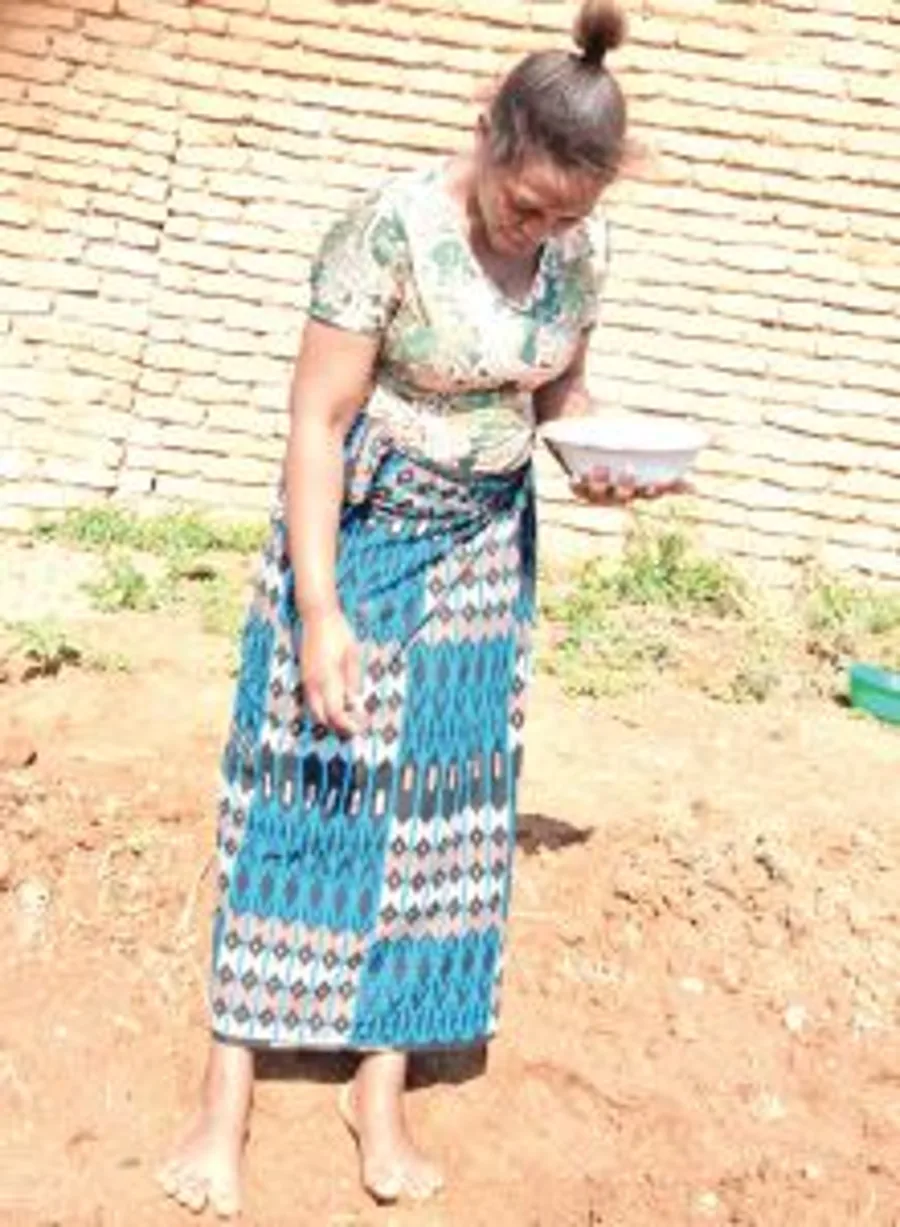
AT WORK—Farmer Florida Shona plants seed
**By Bertha Banda: **
The Department of Climate Change and Meteorological Services (DCCMS) has warned farmers against planting after isolated rainfall, urging them to establish when sustained rains are expected before sowing during the 2026-27 farming season.
DCCMS has said this on its official Facebook page, where it has implored farmers to use district-specific seasonal forecasts to determine when sustained rainfall would begin in their areas.
The department also urges farmers to consult agricultural extension officers for guidance on appropriate planting times and crops that are suited to anticipated weather conditions.
The warning comes as some farmers in Ntcheu District have started planting maize and groundnuts, with one farmer admitting that pressure from neighbours influenced her decision.
In Jecdec area, Florida Shona said she decided to plant after noticing that other farmers in her neighbourhood had already started sowing.
“My neighbours have planted seedlings and I did not want to be left behind. I have planted maize and groundnuts. I have been hearing the Department of Climate Change and Meteorological Services advising us to wait for effective planting rains, but the majority rules. I just hope the crops will not dry up,” she said.
On his part, agriculture policy expert Leonard Chimwaza said rushing to plant seedlings could lead to seed losses and poor harvests if rains were interrupted by prolonged dry spells.
“We have been advising farmers to plant early-maturing maize varieties. DCCMS should also not tire of providing updates to farmers. We have seen the department issuing daily weather forecasts, and it should also provide daily agricultural guidance to farmers. It should continue doing so until the end of the farming season,” Chimwaza said.
An agriculture extension worker in Ntcheu said they had received information from DCCMS indicating that planting rains were expected around the third week of November or the second week of December.
Meanwhile, the Ministry of Agriculture has advised farmers to prepare their fields in advance, use mulching to conserve soil moisture and apply manure to improve soil conditions.
It has also encouraged the cultivation of early-maturing and drought-tolerant crops, including millet, sorghum, cowpeas, cassava and sweet potatoes.
Other recommended measures include timely fertiliser application, crop rotation involving legumes, proper water management and regular monitoring of crops for pests and diseases.
DCCMS’s September seasonal outlook indicates that most parts of Central and Southern Malawi are expected to receive normal to below-normal rainfall between October and December 2026, with below-normal rainfall projected from January to March 2027.
Much of the Northern Region is expected to receive normal to above-normal rainfall.
The Government’s National El Niño Preparedness Plan identifies delayed and erratic onset of effective planting rains, inadequate rainfall and prolonged dry spells as major agricultural risks, particularly in Central and Southern Malawi.
Follow the story
About this article
- Length
- 461 words · 2 min read
- Published
- November 17, 2026
- Byline
- Times News
- Source
- The Times Group