

Cape Town borehole rules explained as Western Cape allocations are cut

AI summary
Capetonians thinking about drilling a borehole should register it with the City of Cape Town, which says the system is used for environmental monitoring and not for billing, Cape {town} Etc reports.
The borehole water reminder comes as the Western Cape Water Supply System faces lower dam levels and **a warning of shortage risk **from 2027.
On Monday, 16 November 2026, Water and Sanitation Minister Pemmy Majodina announced allocation cuts of 7% for domestic and industrial users and 15% for irrigation in the 2026/27 water year, according to SAnews. The cuts are expected to save about 56.8 million cubic metres a year.
*Cape {town} Etc Discount Alert! Unlock Cape Town’s best experiences for half the price! From unforgettable adventures to hidden gems and mouthwatering restaurants, these limited-time deals won’t last long. *Snag your discount before they’re gone!
The six major dams in the system held 72.5% of capacity on 2 November, compared with 84.4% a year earlier. The department said winter rainfall was below normal and that forecasts point to a** strong to extreme El Niño**, which could raise temperatures and reduce dam inflows.
Its modelling indicates that keeping full allocations without intervention could significantly raise the risk of shortages and mandatory restrictions from 2027. ‘Let us act now, not when our dams are empty,‘ Majodina said.
Who must register a borehole?
According to the City, anyone with a borehole or wellpoint on their property must register it. Residents who plan to sink a new one must apply at least 14 days beforehand, and registration follows once it has been sunk.
To register, send an email to [email protected] with the following:
- Your full name and contact number
- The property address and erf number
- Your City of Cape Town account number
- Whether it is a borehole or a wellpoint
Registered owners receive a free sign to display on the property. The City says this is required during water restrictions and can help owners avoid fines from water inspectors. The City’s page does not state a registration fee.
Rules that still apply
National guidelines in effect since 12 January 2018 require borehole and wellpoint water use to be metered, with records kept and available for inspection. Permission from the national Department of Water and Sanitation is needed to sell or buy borehole water.
The City says groundwater may contain too much salt or iron for plants or indoor use. Under the Water By-law, it generally cannot be used for drinking, cooking or washing the body. The City also says over-extraction harms the environment and that groundwater should be used responsibly.
Permanent water-saving regulations under the Water By-law (2010) apply to all residents.
Details:
-
Contact:
[email protected] | 0860 103 089
-
Website:
capetown.gov.za
Be the first to know – Join our WhatsApp Channel for content worth tapping into! Click here to join!
Also read:
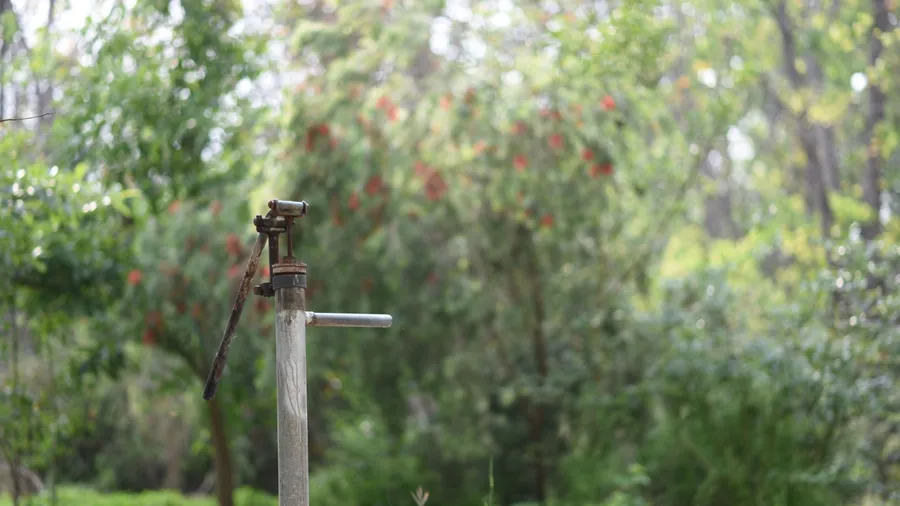
**Picture: **Abrar Hashim / Pexels
The post Cape Town borehole rules explained as Western Cape allocations are cut appeared first on Cape Town ETC.
Follow the story
About this article
- Length
- 506 words · 3 min read
- Published
- November 18, 2026
- Byline
- Angelica Rhoda
- Source
- Cape Town ETC