

GNACOPS welcomes two-year BECE ban for early candidates, demands fair grading and placement
The Ghana National Council of Private Schools (GNACOPS) has welcomed the Education Minister’s directive stopping Junior High School Form One and Form Two pupils from sitting the BECE early, but says the state must also show that grading and school placement are fair. In a press release dated November 23, 2026, the group said it […]

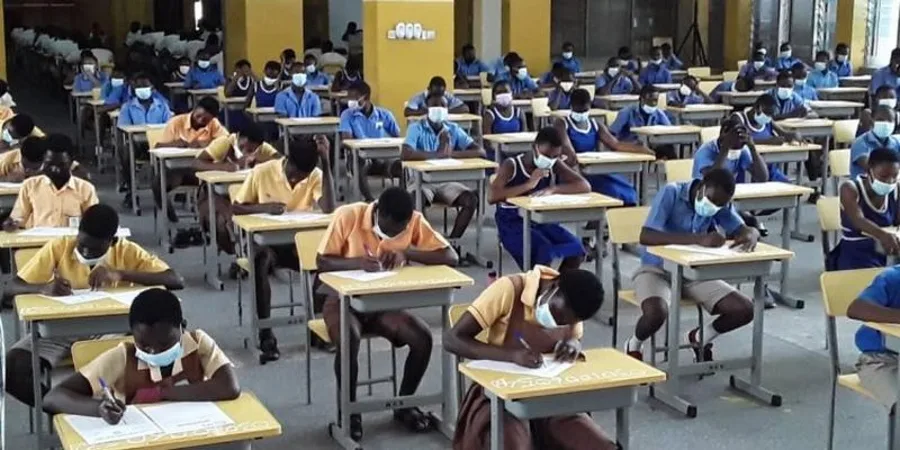
The Ghana National Council of Private Schools (GNACOPS) has welcomed the Education Minister’s directive stopping Junior High School Form One and Form Two pupils from sitting the BECE early, but says the state must also show that grading and school placement are fair.
In a press release dated November 23, 2026, the group said it supports the directive from the Minister for Education, Haruna Iddrisu, including the two-year examination ban for offenders.
It said the aim of protecting the integrity of the national examination system and restoring proper academic progression is one it fully endorses. At the same time, it asked the Ministry, the Ghana Education Service (GES) and the West African Examinations Council (WAEC) to match that discipline with fairness in how exams are run and how pupils are placed in Senior High School.
“Discipline and fairness are not competing demands. They are inseparable duties,” the statement said.
GNACOPS pointed to WAEC’s rules, which make the BECE for school candidates a third-year JHS exam. The assessment is 30% continuous assessment and 70% external examination.
Registering a pupil early, it argued, raises questions about whether the school records are complete and genuine, and where records are faked or swapped in, the matter becomes one of examination integrity.
“A premature registration raises serious questions about the completeness and authenticity
of the candidate’s school records. Where records are fabricated or improperly substituted, the problem ceases to be mere acceleration; it becomes an issue of examination integrity. We therefore call schools and parents, in both the public and private sectors, to reject any attempt to circumvent these requirements,” the statement noted.
It also asked for proper notice and a chance to correct genuine administrative errors, and said that school officials or middlemen involved in organised misconduct should share responsibility, so that children are not made to carry the cost of adult decisions.
The group said a ban alone will not end the practice unless the pressures behind it are dealt with. It said private school operators have long worried about how exam results and the Computerised School Selection and Placement System (CSSPS) affect their pupils’ chances of getting into sought-after public senior high schools.
It said it does not oppose equity measures for disadvantaged pupils, but argued they should be targeted and openly administered.
“We recognize the legitimate social objective of assisting children from underserved communities. We do not oppose equity measures designed to compensate for genuine educational disadvantages. However, equity should be carefully targeted at disadvantage and transparently administered; it should not create an enduring perception that a child is
penalized simply because the parents chose a duly recognized private basic school.”
GNACOPS also flagged what it called inconsistent public information on the Category A placement quota. The 30% reservation for public school pupils was reported as cut to 15% in 2025, it noted, yet later ministerial reporting has again referred to 30 per cent.
It asked for a single published statement of the rule now in force, with its legal or policy basis, eligibility conditions, duration and measurable outcomes.
Read the full statement below:
PRESS RELEASE NOVEMBER 2026
Download
Follow the story
About this article
- Length
- 518 words · 3 min read
- Published
- November 24, 2026
- Byline
- Dorcas Ankomah
- Source
- Adomonline.com