

Liberty Coal unlocks 450,000-tonne monthly capacity at Optimum
Liberty Coal has invested more than R3-billion in rebuilding Optimum Colliery, spending about R700-million on two core assets expected to underpin its return to large-scale coal production and exports. The latest R200-million investment has been used to recommission the first module of the mine’s Heavy Media Separation plant, Liberty Coal announced this week. Monthly processing capacity of about 450,000 tonnes has been restored. That capacity is expected to be doubled to 900,000 tonnes when the

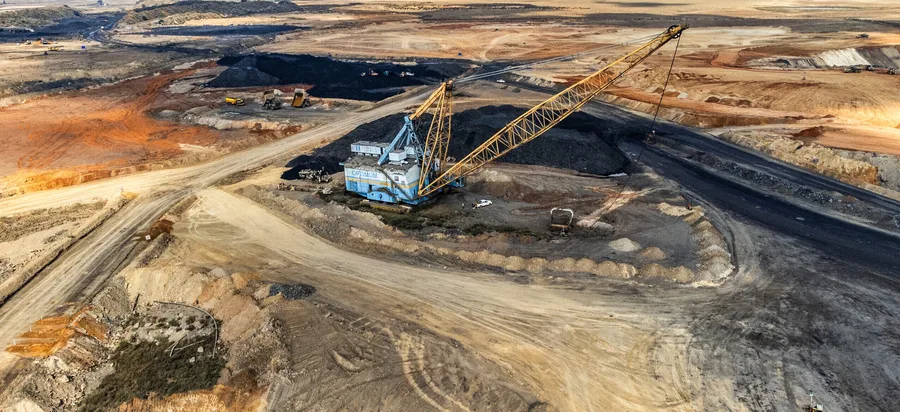
Liberty Coal has invested more than R3-billion in rebuilding Optimum Colliery, spending about R700-million on two core assets expected to underpin its return to large-scale coal production and exports.
The latest R200-million investment has been used to recommission the first module of the mine’s Heavy Media Separation plant, Liberty Coal announced this week.
Monthly processing capacity of about 450,000 tonnes has been restored.
That capacity is expected to be doubled to 900,000 tonnes when the second module is brought back into operation. About 140 employees, mostly from Pullenshope, have been appointed through the project, according to the company.
READ: Ex-ANC MP dragged into Liberty Coal shutdown and illegal gathering claims
The plant investment follows the restoration of Optimum’s Marion 8 200 dragline at a cost placed by Liberty Coal at nearly R500 million.
Together, the projects have been presented as the clearest indication yet of how the wider turnaround is being executed. Production is being rebuilt one major asset at a time after years of neglect, vandalism and infrastructure deterioration.
“We inherited infrastructure that had suffered extensive damage,” said Liberty Coal CEO Hlayiseka Chauke.
According to the company, electrical cables had to be replaced, pumps had to be refurbished and conveyor infrastructure had to be reinstated.
“Bringing this facility back into operation has required considerable investment, technical expertise and determination,” Chauke said.
Every broken link is priced
The first module’s 450,000-tonne capacity has been set against an annual Richards Bay Coal Terminal export entitlement of about 6.5-million tonnes disclosed on Liberty Coal’s website.
That entitlement works out at about 542,000 tonnes a month. On those figures, most of it could be covered by one module, while room for expansion could be created by the second.
The wider revival had attracted more than R3-billion by July, according to Mining Weekly. The dragline cost was then placed at R460-million. A comparable new machine was valued at about R2-billion, while one working dragline was said to replace eight excavators.
READ MORE: Liberty Coal touts Optimum turnaround with R400m dragline, contractor-led reboot
“It’s also more than restoring the equipment,” said Chauke. “It is about rebuilding a productive mining operation, strengthening our export capabilities and creating a sustainable future for the mine and the people whose livelihoods depend on it.”
No timetable or additional cost has been disclosed for the second HMS module. Current saleable production, operating costs and monthly revenue have also not been provided.
People added to the equation
The machinery has been only one side of the calculation. In January, 540 employees were reported by Sunday World to have been transferred to Liberty Mine Services.
Another 500 opportunities and a 2,000-person year-end workforce were projected by Liberty Coal. Now, 140 appointments have been confirmed without being reconciled with the earlier target.
“We have welcomed 140 new employees, the majority from Pullenshope,” Chauke said, adding that the project was creating jobs, restoring dignity and making “a meaningful difference”.
Further processing and conveyor work is still expected to be undertaken.
READ MORE: Workers secure jobs amid mining transition at Optimum Colliery
Chauke credited engineering teams, employees and specialist contractors with returning the first module to service.
“Every major asset we bring back into operation takes us closer to achieving our production objectives,” he said.
The thinking behind the turnaround strategy follows a clear operational chain: coal must be exposed by the dragline, upgraded by the plant, carried by conveyor, moved by rail and sold through RBCT.
**Subscribe To Our Newsletter **or get the news delivered to your phone via our WhatsApp Channel.
Follow the story
About this article
- Length
- 590 words · 3 min read
- Published
- November 24, 2026
- Byline
- Setumo Stone
- Source
- Sunday World