

Gov’t to develop national framework to address Kayayie phenomenon – Gender Minister

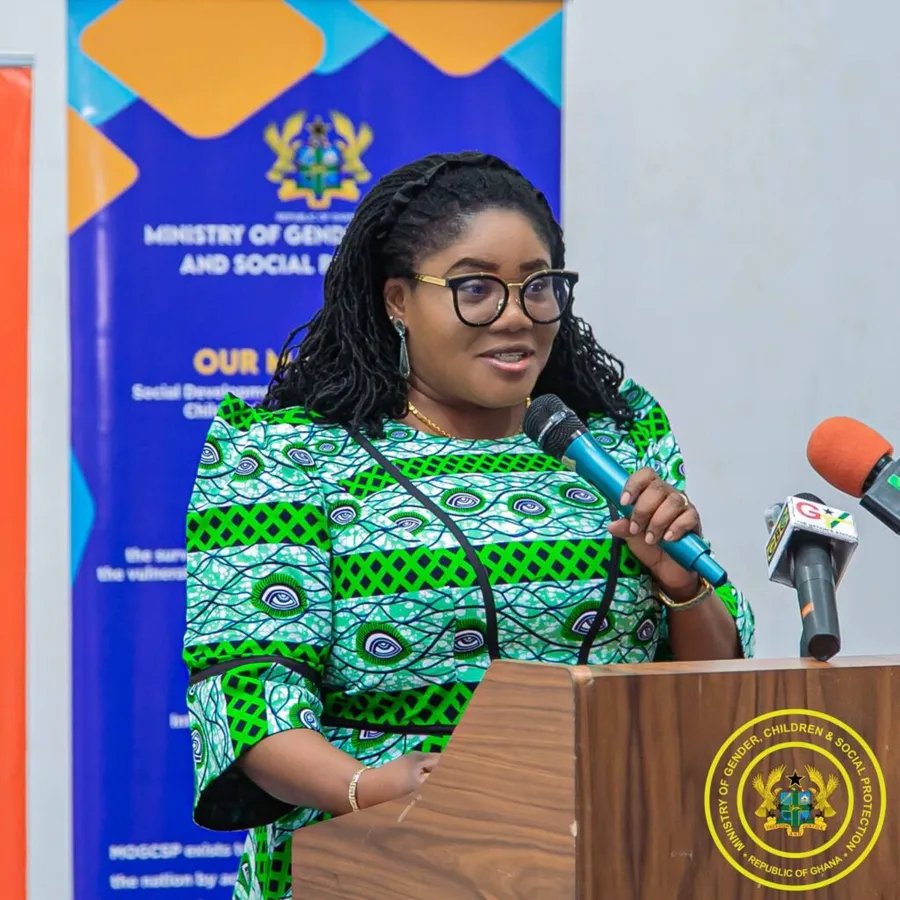
The Minister for Gender, Children and Social Protection, Dr Agnes Naa Momo Lartey, has announced plans by the government to develop a comprehensive National Kayayie Management Framework to address the challenges confronting female head-porters in Ghana.
The framework is expected to provide a coordinated national response to the growing phenomenon, particularly the migration of young girls from communities in Northern Ghana to major urban centres to engage in head-portering activities.
Dr Lartey announced this at the First National Stakeholders’ Dialogue on the Development of the National Kayayie Management Framework in Accra on Monday, November 23, 2026.
The dialogue, held under the theme, “Building Inclusive Partnerships and Sustainable Solutions for the Empowerment and Protection of Kayayie Girls in Ghana,” was organised by the Ministry of Gender, Children and Social Protection (MoGCSP), through its Department of Gender, with support from the United Nations Population Fund (UNFPA).
The Minister expressed concern about the migration of young girls, including children as young as 10, from Northern Ghana to urban centres such as Accra, Kumasi, Takoradi and Tamale to engage in head-portering.
She explained that the proposed framework would provide strategic direction for preventing unsafe migration, protecting vulnerable girls and women, facilitating rehabilitation and reintegration, and creating sustainable livelihood opportunities.
It will also outline clear institutional responsibilities, coordination arrangements and accountability mechanisms to ensure effective implementation.
Dr Lartey highlighted existing government policies and programmes that could help address the underlying vulnerabilities associated with the Kayayie phenomenon.
She consequently urged stakeholders to contribute meaningfully to the discussions to ensure the framework provides an inclusive, coordinated and sustainable national response.
The Minister subsequently declared the national dialogue officially open.
In her remarks, the Chief Director of the Ministry, Dr Marian W. A. Kpakpa, called on participants to approach the discussions with openness, responsibility and a commitment to achieving practical outcomes.
She stressed that the Kayayie phenomenon remained a matter of national concern requiring collective attention.
Representatives of the Office of the Vice President, Dr Miriam Rahinatu Iddrisu, and UNFPA Ghana, Mr David Wilfred Ochan, also described the dialogue as timely and significant.
They called for a shift from merely discussing the challenges associated with Kayayie to listening to their experiences, recognising their contributions and developing practical solutions that address their circumstances with dignity.
Dr Iddrisu emphasised that Kayayie should not be regarded merely as a problem to be managed, but as young women, mothers, daughters and workers who make important contributions to Ghana’s urban economy.
Both representatives reaffirmed their organisations’ commitment to working with the Gender Ministry and other relevant institutions to ensure the framework translates into practical action.
They cautioned against allowing the initiative to become another policy document left unimplemented, stressing the need for it to strengthen existing national policies, programmes and institutional responses.
The dialogue sought to develop a comprehensive, multi-sectoral and community-led framework to address the growing phenomenon of female head-porters in Ghana.
It also focused on addressing the underlying causes of girls’ migration into head-portering, strengthening protection for vulnerable girls, improving access to education and skills development, and supporting the rehabilitation and reintegration of returnees.
Participants were also taken through findings from a desk review and formative research conducted in communities where Kayayie operate.
The presentations highlighted proposed priority actions and strategic pillars to guide the development of the framework.
The dialogue further provided an opportunity for Kayayie to share their personal experiences, assess existing interventions and contribute technical recommendations towards the finalisation of the proposed national framework.
Follow the story
About this article
- Length
- 576 words · 3 min read
- Published
- November 25, 2026
- Byline
- Joseph Odotei
- Source
- Adomonline.com