

World Kangaroo Day: How climate change impacts Australia’s macropods

AI summary
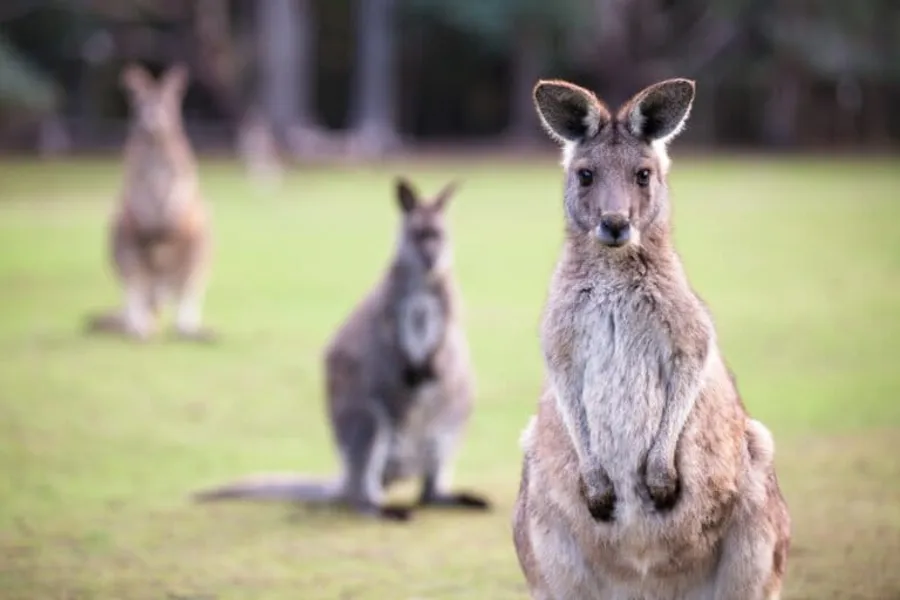
CANBERRA — World Kangaroo Day, on Oct. 24, celebrates one of Australia’s national symbols and the macropod’s special place in the country’s environment and First Nations cultures. In 2026, as “super El Niño” wreaks havoc across the globe, it is an opportune time to reflect on how climate change has affected the country’s iconic animals. There are dozens of species — 59 to be exact — belonging to the macropodoidea (meaning large-footed) superfamily living in Australia. The four main species are the red kangaroo (Osphranter rufus), which is the largest in size; the western grey kangaroo (Macropus fuliginosus); the eastern grey kangaroo (Macropus giganteus); the antilopine kangaroo (Osphranter antilopinus). These kangaroo species are abundant in Australia, with a total population estimated to range between 30 million and 50 million, depending on drought and rainfall cycles. Their numbers have been considered so high that state-level governments have introduced controversial cull programs to reduce populations. Lesser-known varieties include the smallest macropod species in the world: the musky rat-kangaroo (Hypsiprymnodon moschatus), typically weighing around just 500 grams (1.1 pounds); the critically endangered Gilbert’s poteroo (Potorous gilbertii); and Australia’s only two species of tree-kangaroo, the Lumholtz’s tree-kangaroo (Dendrolagus lumholtzi) and the Bennett’s tree-kangaroo (D. bennettianus), which live in the forests of Far North Queensland. For the smaller species of kangaroo and wallaby, quokka, bettong and potoroo, which also belong to the macropod superfamily, the situation is dire. Six species of kangaroo have already gone extinct since the colonization of Australia, and 11 of the…This article was originally published on
Mongabay
Follow the story
About this article
- Length
- 256 words · 1 min read
- Published
- October 24, 2026
- Byline
- Cooper Williams
- Source
- Conservation news