

A chemical kept fishmeal from catching fire. Then scientists raised cancer concerns

AI summary
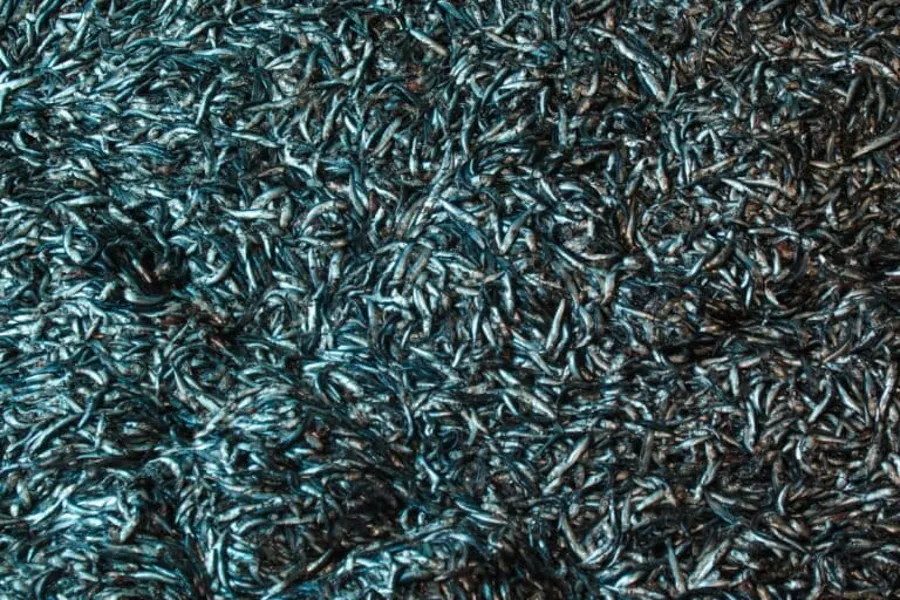
This article is from Food for Feed, a series investigating the global fishmeal industry. It is produced by the Outlaw Ocean Project, a news organization based in Washington, D.C., and excerpted by Mongabay. On Jan. 8, 1966, a South African ship caught fire at sea. At port in Bristol, in the U.K., firefighters pried open the smoking container, and the conflagration spread and burned for five days. A little over a month later, on Feb. 11, a Liberian steamship caught fire near Rotterdam. The blaze spread and ignited a storage area with barrels of petrol, raging for several days, before melting the deck and mast, and eventually sinking the vessel. Then, on March 19 that same year, a Danish ship caught fire off Long Beach, California, injuring three firefighters and killing a longshoreman, and causing more than $1 million in estimated damages. These were far from isolated incidents. Fishmeal powder is known for spontaneously combusting as it decays and oxidizes. From the 1950s through the 1970s, fishmeal cargo ignited at least 90 fires on ships and in plants around the world, according to a review of historical news coverage by the Outlaw Ocean Project, a news organization based in Washington, D.C. The culprit in each fire was fishmeal, a dark-yellow powder made by drying and pulverizing fish. More than half of the seafood consumed around the world is from aquafarms. Fishmeal or fish is crucial for farm-raised salmon, shrimp, tilapia, and other species. Fishmeal. Image by Phu Thinh Co via…This article was originally published on
Mongabay
Follow the story
About this article
- Length
- 256 words · 1 min read
- Published
- October 9, 2026
- Byline
- Ian Urbina
- Source
- Conservation news