

Nigeria’s LPG stock falls 46% below 30-day sufficiency threshold

AI summary
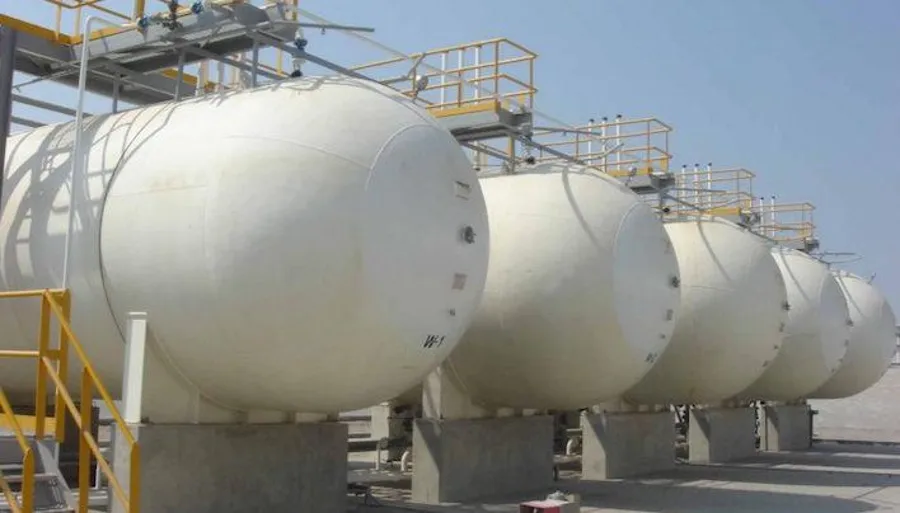
Nigeria’s liquefied petroleum gas (LPG) stock fell to 16.3 days of sufficiency in July 2026, about 46 percent below the 30-day minimum threshold set by the Nigerian Midstream and Downstream Petroleum Regulatory Authority (NMDPRA).
According to NMDPRA’s July 2026 factsheet, LPG, which is widely regarded as cooking gas, had the lowest stock sufficiency among the four petroleum products tracked, compared with 22.4 days for Premium Motor Spirit, 46.5 days for Automotive Gas Oil, and 58.6 days for Aviation Turbine Kerosene.
The regulatory body noted that the minimum fuel sufficiency threshold is 30 days, putting LPG 14 days below the benchmark.
“The minimum fuel sufficiency threshold is 30 days,” NMDPRA wrote in its July factsheet.
Despite the weak stock, daily average LPG receipt increased by 4 percent in the period, rising to 5.3 kilotonnes per day, up from 5.1 kilotonnes per day in June.
Supply was predominantly domestic in the review period. Imports contributed only a small share of total deliveries. Domestic LPG supply rose to 4.4 kilotonnes per day, up from 3.6 kilotonnes per day in June, while imports dropped to 0.9 kilotonnes per day, down from 1.5 kilotonnes per day in the preceding month.
Read also: Savannah Energy strikes gas at second Nigerian well, backs output guidance
The data suggest that local volumes compensated for falling imports, highlighting the authority’s gain in its push to boost domestic gas supply.
Companies like Dangote Petroleum Refinery and Petrochemicals, Nigeria LNG Limited, and other processing plants were major contributors to local supply in the review period.
The NMDPRA factsheet also puts Nigeria’s 2026 daily demand benchmark for LPG at 3.9 kilotonnes per day, compared with actual consumption of 4.4 kilotonnes per day in July, highlighting that while cooking gas supply remained above the demand benchmark, the stock presently available nationally is still below the regulator’s 30-day sufficiency threshold.
But the regulatory body has long maintained that efforts are underway to boost domestic supply to prevent scarcity and price hikes.
Rabiu Umar, authority chief executive officer of NMDPRA, said they are working to boost local supply, monitor imports, and redirect part of the country’s exported volume into the domestic market.
“The projected third-quarter supply gap is 165,000 metric tonnes. NMDPRA will issue import permits and closely monitor issued permits for performance,” he said at a stakeholders meeting.
While Nigeria is a leading producer of natural gas with a reserve of about 2.71 trillion cubic feet as of 2025, exporting LPG stock that could otherwise be used domestically has been a challenge in the ecosystem.
In the first quarter of the year, over 60 percent of local gas production was exported, according to data obtained from NMDPRA. This is compared to 38 percent left for local use for a population of more than 200 million people.
Over time, this has led to spikes in local prices. As of June, cooking gas prices surged to record highs, with a kilogramme retailing for roughly N2,400 across states.
Currently, prices have stabilised. A kilogramme of cooking gas is retailing at an average of N1,500 in Lagos. It upholds similar pricing in Kano, Sokoto, Enugu and Ibadan. But the gains could prove difficult to sustain if LPG stock sufficiency remains below the 30-day threshold.
Join BusinessDay whatsapp Channel, to stay up to date
Open In Whatsapp
Follow the story
About this article
- Length
- 548 words · 3 min read
- Published
- September 2, 2026
- Byline
- Feyishola Jaiyesimi
- Source
- BusinessDay