

‘I smelt of paraffin’: The childhood that shaped DA’s Ekurhuleni mayoral candidate
Smell of poverty growing up lit fuse for her to shake up Ekurhuleni.

AI summary
There’s the cliché kind of politician… and then there are the outliers. That is, politicians who don’t just do the job, or want the job, to have a job.
Outliers are the “get your hands dirty” politicians who carry a soapbox under one arm and a shovel under the other to make good on their promises.
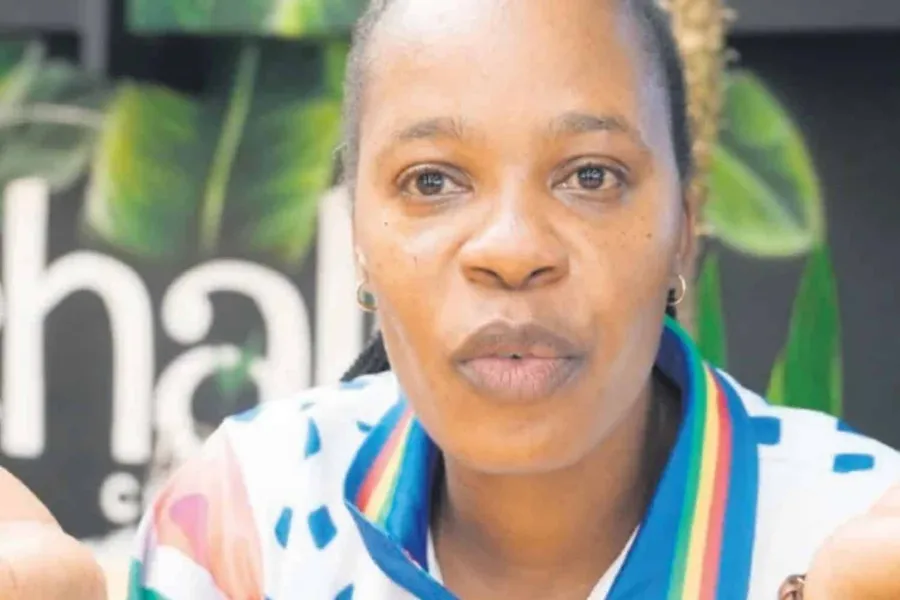
Ekurhuleni DA mayoral candidate Khathutshelo “Khathu” Rasilingwane seems like the outlier kind.
That’s because she gives a damn, because she grew up in an environment where politicians, she said, didn’t.
A childhood without services
Her childhood was spent without electricity, running water or proper sanitation in an informal settlement on the East Rand.
At school, the smell of paraffin followed her everywhere. It clung to her clothes and made her stand out among classmates from more comfortable families.
“We used it at home and that smell went everywhere with me,” she told The Citizen.
“I was always isolated at school because I smelt of paraffin. It was stronger than any perfume any of the other girls wore.”
Her mother, who was left a single parent after her dad died, was a street vendor. She worked day and night to send her daughter to private school.
The beginning of Khathu’s political awareness
This was the beginning of her political awareness. Service delivery, she said, was non-existent. It was then a local DA activist caught her attention.
Although not in government, the activist was able to make things happen, frequently checking on residents and trying hard to make a difference.
Rasilingwane, then 14, was impressed and as a teenager, she attended party meetings in the area. At 18, when she was allowed to officially join the party, she did.
Life after matric
Politics, however, did not immediately put bread on the table. Rasilingwane had completed her matric, but university was beyond the family’s financial means.
She said growing up in an informal settlement also meant missing out on information about bursaries and financial assistance.
“We didn’t have access to information. I didn’t even know about the National Student Financial Aid Scheme or bursaries that could have helped me study further.”
They didn’t have TV or radio at home and little guidance about further education. So, she became a promo girl.
She worked at events, promoting various brands, and earned enough to buy her first car.
Becoming a councillor
In 2015, she applied to become a councillor in Ekurhuleni and stood in her first election.
Along the way, she obtained a marketing management degree and a postgraduate qualification in business administration.
Her political work took her to communities where residents had spent years trying to get government departments to listen.
It was the opportunity, she said, she had been waiting for. “I met a woman of 75 while campaigning in Winnie Mandela Zone 2, Tembisa. She was a domestic worker and for three years she had watched her neighbours receive RDP houses while her own stand was overlooked.
“She was frail and struggled to get help from the authorities. “I took up her case with the human settlements department and, within two months, she had her house. That remains one of my proudest moments.”
Now, Rasilingwane wants the mayor’s job in a municipality she said has more than 129 informal settlements.
Service delivery, should Rasilingwane get the job, will depend on council officials rolling up their sleeves. But it’s a tough ask, given many are cadre deployments.
Lessons from the DA’s time in government
The DA’s previous stint in government under former coalition mayor Tania Campbell taught her some lessons.
“We went into government in good faith. You don’t walk into an administration and immediately assume that everyone is corrupt.
“But we learnt you have to scrutinise everything and make sure the people responsible for delivering services are capable of doing their jobs,” she said.
She added when she dons the mayoral chain, she wants skills and lifestyle audits, greater scrutiny of municipal contracts and consequences for officials and contractors who fail residents.
“We need to make sure people are appointed because they have the qualifications and skills to do the work. We cannot continue having projects abandoned while communities wait for services,” added Rasilingwane.
A few final observations: Rasilingwane was punctual to the minute for the interview.
Her departure was timed to be equally punctual for her next engagement. She speaks passionately about the issues.
Rasilingwane comes across as authentic to a fault and you could spend hours talking to her, from the weather to geopolitics.
Follow the story
About this article
- Length
- 751 words · 4 min read
- Published
- November 2, 2026
- Byline
- Hein Kaiser
- Source
- The Citizen