

Permafrost, wetland, wildfire and freshwater emissions could amplify climate change by up to 30%, study finds

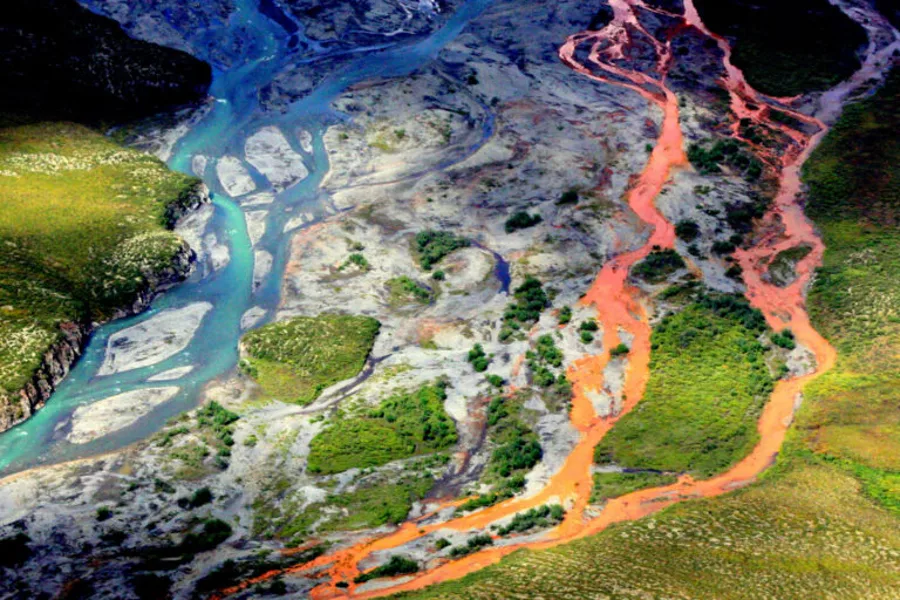
As frozen ground thaws in the Arctic, dead plants and animals locked in soils for thousands of years start to decay, releasing methane and carbon dioxide. Those gases trap heat from the sun and warm the planet. And the more the planet warms, the more Arctic permafrost thaws. This is just one feedback loop among many that most climate modeling has largely overlooked. A recent study published in the journal Environmental Research Letters examined four sources of greenhouse gases from natural systems: permafrost, wetlands, freshwater, and wildfires. The authors estimate that greenhouse gases released by these natural systems could add another 0.2°-0.4° Celsius (0.4°-0.7° Fahrenheit) of warming by 2100. That would amplify human-caused warming since 2020 by 20-30%. Methane accounts for roughly half that warming. Natural systems such as wetlands, permafrost, and forests have always released some greenhouse gases. This study tracks only the extra emissions released after 2020, as humanity keeps heating the planet by burning fossil fuels, clearing forests, and other activities. As this increased heat revs up these natural systems, thawing permafrost exposes additional ancient organic matter to decay. Warmer wetlands and freshwater lakes speed up the growth of the microbes that make methane. Drier forests burn more often, releasing planet-warming gases. The study was the first to pull all four sources together and “quantify this amplification of anthropogenic global warming,” lead author Sam Abernethy, a climate scientist at U.S.-based nonprofit Spark Climate Solutions, told Mongabay. Degraded permafrost in northern Alaska. Permafrost thaw is considered a climate…This article was originally published on
Mongabay
Follow the story
About this article
- Length
- 256 words · 1 min read
- Published
- October 2, 2026
- Byline
- Liz Kimbrough
- Source
- Conservation news