

Yellow fever response too slow; govt must cut bureaucracy – SEND Ghana
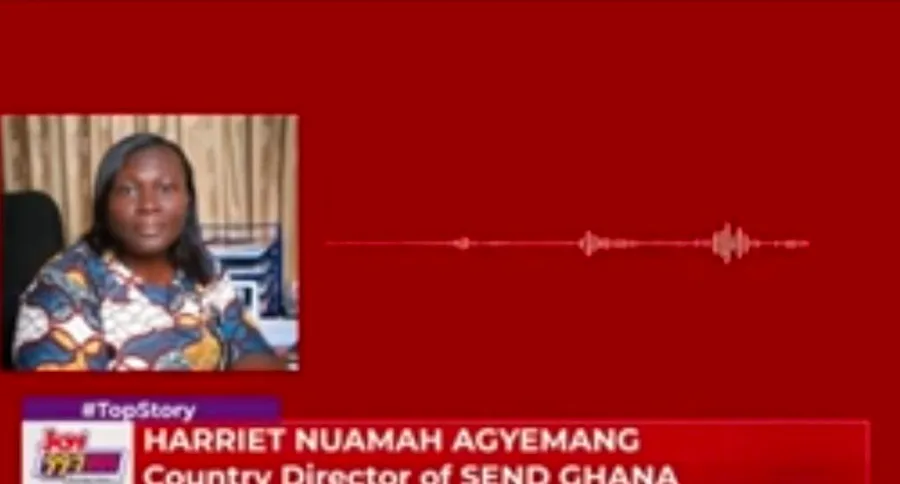
SEND Ghana Country Director Harriet Nuamah Agyemang has called on government to cut bureaucratic processes that delay emergency health responses following the recording of suspected yellow fever cases and reported deaths in affected communities.

AI summary
SEND Ghana Country Director Harriet Nuamah Agyemang has called on the government to cut bureaucratic processes that delay emergency health responses amid suspected yellow fever cases and reported deaths in affected communities.
Health Minister Kwabena Mintah Akandoh said health authorities recorded about 450 suspected yellow fever cases across Ghana between June and September 2026, including 74 in the Upper West Region. Three of the cases have so far been confirmed as yellow fever.
Mr Akandoh stressed that suspected cases must undergo laboratory testing before deaths or illnesses can conclusively be attributed to the disease.
Meanwhile, seven deaths have been reported in the Sissala East District in connection with the suspected outbreak, although health authorities are yet to confirm yellow fever as the cause.
The government says it has sent samples to Senegal for further testing and cannot officially declare a yellow fever outbreak until the results are confirmed.
However, Ms Nuamah Agyemang said the response had been too slow, noting that authorities had been receiving reports of suspected cases for about four months while awaiting further laboratory confirmation.
“It has taken us four months till now, and response is too slow. You know, it is lives at stake here,” she said on Joy FM’s Top Story on Thursday, October 8.
She said the delay raised concerns about Ghana’s preparedness to respond to public health emergencies.
Ms Nuamah Agyemang acknowledged measures announced by the Ministry of Health and the Ghana Health Service, including the deployment of a National Rapid Response Team and efforts to strengthen laboratory testing.
However, she questioned why it had taken so long for authorities to mobilise resources and respond to the suspected cases.
She urged the government to streamline emergency funding procedures to enable health authorities to act quickly when outbreaks are suspected.
“When there is an emergency, we should reduce the bureaucracy. We should press the emergency button. We should just have the money and do what we have to do,” she said.
She also cited the 7-1-7 outbreak response framework, saying Ghana must strengthen its preparedness to ensure faster detection, notification and response to health emergencies.
Follow the story
About this article
- Length
- 351 words · 2 min read
- Published
- October 8, 2026
- Byline
- Emma Ankrah
- Source
- Joy News