

Ghana sports needs long-term planning, not just top coaches – NSA boss
Acting Director-General of the National Sports Authority (NSA), Prof Emmanuel Osei Sarpong, says Ghana must prioritise long-term planning, infrastructure and athlete development rather than relying solely on high-profile coaching appointments to address its sporting challenges. His comments come amid growing concerns over the performance of Ghana’s national teams, particularly the Black Stars, following defeats in […]

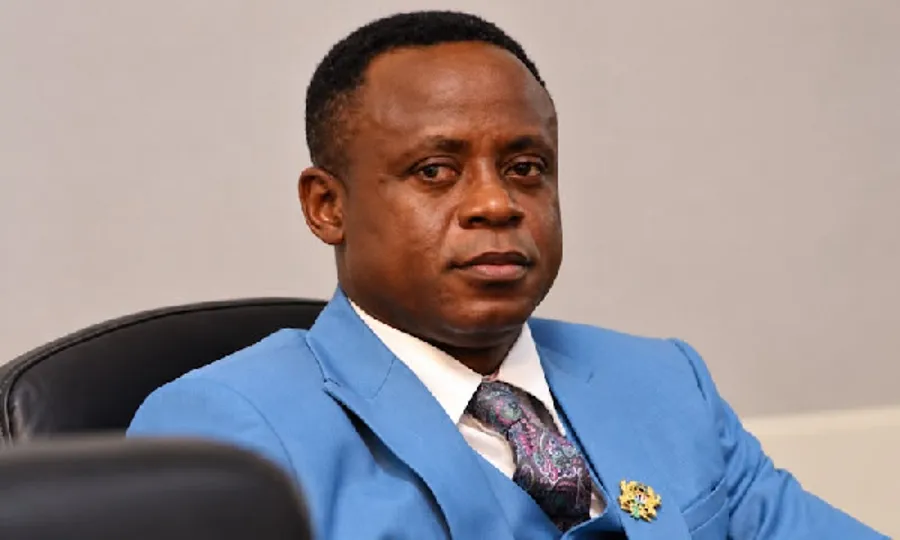
Acting Director-General of the National Sports Authority (NSA), Prof Emmanuel Osei Sarpong, says Ghana must prioritise long-term planning, infrastructure and athlete development rather than relying solely on high-profile coaching appointments to address its sporting challenges.
His comments come amid growing concerns over the performance of Ghana’s national teams, particularly the Black Stars, following defeats in their opening two matches of the 2027 Africa Cup of Nations qualifiers.
Ghana lost 2-0 to Ivory Coast before suffering a 4-2 defeat to The Gambia, prompting renewed calls for changes in football administration and a review of the country’s player development system.
Speaking to Citi Sports, Prof Osei Sarpong said Ghana’s challenges extended beyond coaching, pointing to weaknesses in long-term planning, institutional coordination and investment in developing athletes.
“Our problem with Ghana sports, not football alone, has been long-term planning, long-term development of athletes,” he said.
He called for closer collaboration between the NSA, the Ghana Olympic Committee (GOC) and sports federations to establish a coordinated system for identifying and nurturing young talent.
Prof Osei Sarpong proposed identifying promising athletes at the age of 12 and supporting them through a six-year development programme to prepare them for elite competition by the age of 18.
He argued that talent identification must be backed by sustained investment, structured training and access to appropriate facilities if Ghana is to build a reliable pipeline of athletes.
The NSA boss also questioned the country’s reliance on foreign expertise, particularly in football, suggesting that some of the resources spent recruiting foreign professionals could instead be used to train local coaches and sports specialists.
“As we speak now, there is no Ghanaian who is qualified as a fitness trainer, strength and conditioning coach, specifically for football,” he said.
“Why can’t you use that money to develop some coaches in Ghana so that they will become multipliers of their knowledge?”
He stressed that sustainable sports development required investment in infrastructure, training resources and programmes that would support athletes throughout their careers.
Prof Osei Sarpong described the establishment of the Grassroots Sports Secretariat as an important step towards creating a structured framework for identifying and developing talent from an early age.
He also pointed to France’s National Institute of Sport, Expertise and Performance (INSEP), which he visited in September to study its approach to athlete development.
The institute trains elite French athletes and attracts competitors from other countries, offering a model Ghana could adapt to strengthen its own sports development system.
Prof Osei Sarpong believes that adopting a similar long-term approach, supported by investment and collaboration among sports institutions, would help Ghana develop athletes capable of competing at the highest level.
Follow the story
About this article
- Length
- 438 words · 2 min read
- Published
- October 22, 2026
- Byline
- Samuel Appiah
- Source
- Adomonline.com