

For Indian communities, fishmeal factories bring pollution, danger and protests

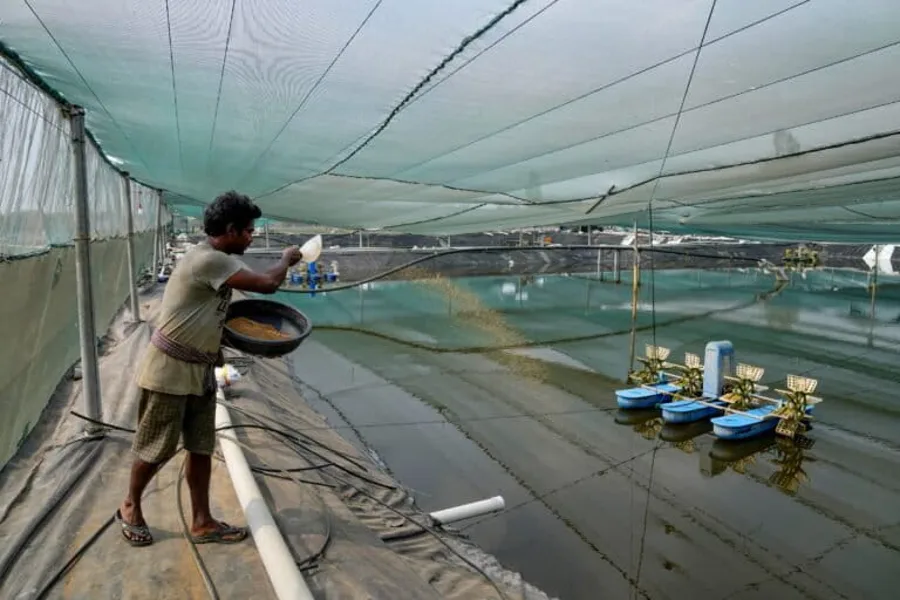
This article is from Food for Feed, a series investigating the global fishmeal industry. It is produced by the Outlaw Ocean Project, a news organization based in Washington, D.C., and excerpted by Mongabay. In late August 2025, a company named Marine Impex Pvt. Ltd. contacted the city council of Cuncolim, a city in southern India, to propose constructing a new fishmeal processing plant. Each month, the 1.6-hectare (4-acre) facility would process at least 2,400 metric tons of fishmeal, a protein-rich, dark-yellow powder made by pulverizing and cooking wild-caught fish, which is used as feed for farm-raised seafood like shrimp, salmon, and tuna. The proposal sparked outrage. In media coverage, local environmental advocates and politicians voiced strong objections. “If this project is allowed, it is as if we have killed the people of Cuncolim,” said city councilor Landry Mascarenhas. State lawmaker Elvis Gomes drafted a letter to the governor of Goa state, where Cuncolim is located, asking him to intervene and explained that the stench from existing plants chokes “the lungs with such foul air that the effect of it pervades for a prolonged period.” He added, “It is simply beyond a normal human’s capacity to endure.” The outcry in Cuncolim cast a spotlight on a powerful industry with a history of wrongdoing. Between 2018 and 2024, at least 30 Indian fishmeal plants were involved in a range of environmental violations and other legal infractions, such as dumping waste into waterways and boreholes, evading taxes, using illegal timber to fuel boilers,…This article was originally published on
Mongabay
Follow the story
About this article
- Length
- 256 words · 1 min read
- Published
- October 9, 2026
- Byline
- Ian Urbina
- Source
- Conservation news