

Nithi Bridge: After years of accidents, a new project brings hope to Tharaka Nithi

AI summary
Kubai, a resident of Tharaka Nithi, says the Nithi Bridge area had been dangerous for as long as he could remember.
His memories are backed by the bridge’s long record as one of Kenya’s worst road accident black spots.
The stretch along the Embu – Meru road has steep terrain and sharp curves leading towards the bridge, making it difficult for vehicles, particularly heavy trucks, to navigate safely.
The bridge has been associated with repeated fatal crashes over several decades.
Among the worst was the 2000 bus crash that killed more than 45 people.
In July 2022, a Modern Coast bus plunged about 40 metres into the river, killing 34 people.
Four people died in another crash in April 2024, while 12 people were killed in a collision in the Nithi Bridge area in August 2024.
The impact of the Nithi Bridge project
For years, the response to Nithi’s accidents focused largely on warning signs, speed control and calls for motorists to exercise caution.
But road safety experts and government agencies increasingly identified the road’s design as part of the problem.
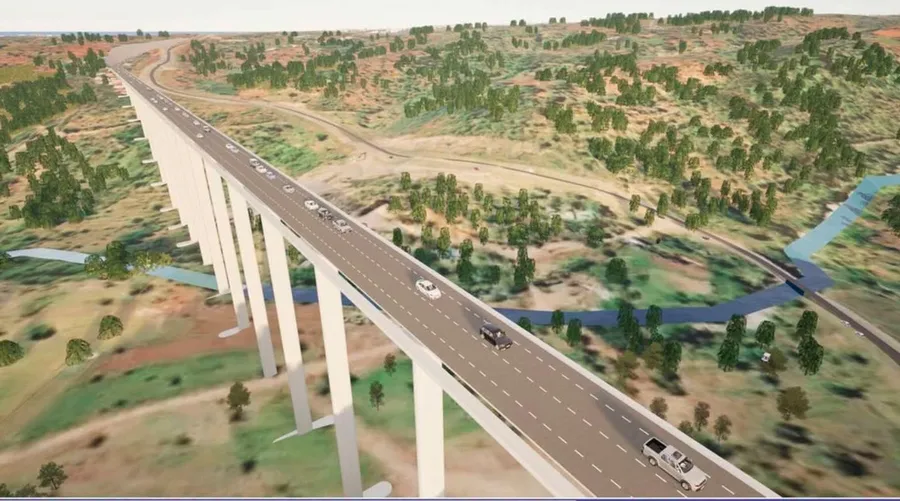
KeNHA’s planned intervention involves a major realignment intended to eliminate the sharp curves and steep slopes on both sides of the black spot.
The construction is expected to take about two years.
The project is now estimated at about Ksh7 billion, with the planned bridge stretching close to three kilometres.
In April 2026, Deputy President Kithure Kindiki said legal, financial and technical issues that had delayed the project had been resolved and that funds had been allocated for construction.
For residents like Kubai, however, government announcements only became real when machinery arrived.
Jobs before the bridge is complete
The project is already creating work opportunities around the construction site.
Kubai says young people who previously spent their days around local stages have found employment through the ongoing works.
That creates an immediate economic effect even before the bridge opens.
Construction projects require labour, transport, supplies and other services, creating short-term activity around the communities where they are built.
Kubai hopes to use income earned from the project to eventually start his own business.
The Nithi River Bridge, located along the Embu-Meru (A9) Highway in Tharaka Nithi County, is one of Kenya’s most infamous road blackspots (Image: Files)
The bigger expectation is safety
The main reason the project matters, however, remains the same one that has kept Nithi Bridge in national headlines for years: reducing accidents.
Kubai believes the redesigned bridge will make the route safer and reduce the number of crashes that have repeatedly forced residents into rescue efforts.
A safer road could also make movement easier along the Meru–Embu–Nairobi corridor, which connects agricultural communities and businesses to wider markets.
For Kubai, better transport could support local trade, open more business opportunities and improve movement for residents and visitors.
The construction itself has also changed how road users approach the area, he says, with motorists becoming more cautious around the works.
A project measured in what no longer happens
Nithi Bridge’s history has often been measured in accidents, injuries and lives lost.
The real measure of the new project will be different.
It will be seen in how many motorists pass through safely, how many accidents are prevented and how often residents no longer have to leave their homes to respond to another crash.
Follow the story
About this article
- Length
- 555 words · 3 min read
- Published
- September 4, 2026
- Byline
- Kibaki Muthamia
- Source
- Ghafla