

Rains expected in Nairobi, across Kenya as Met warns of flash floods

- The department singled out parts of Mandera, Wajir, Lamu, Kilifi, Mombasa and Kwale as areas that could experience isolated storms capable of causing flash floods.
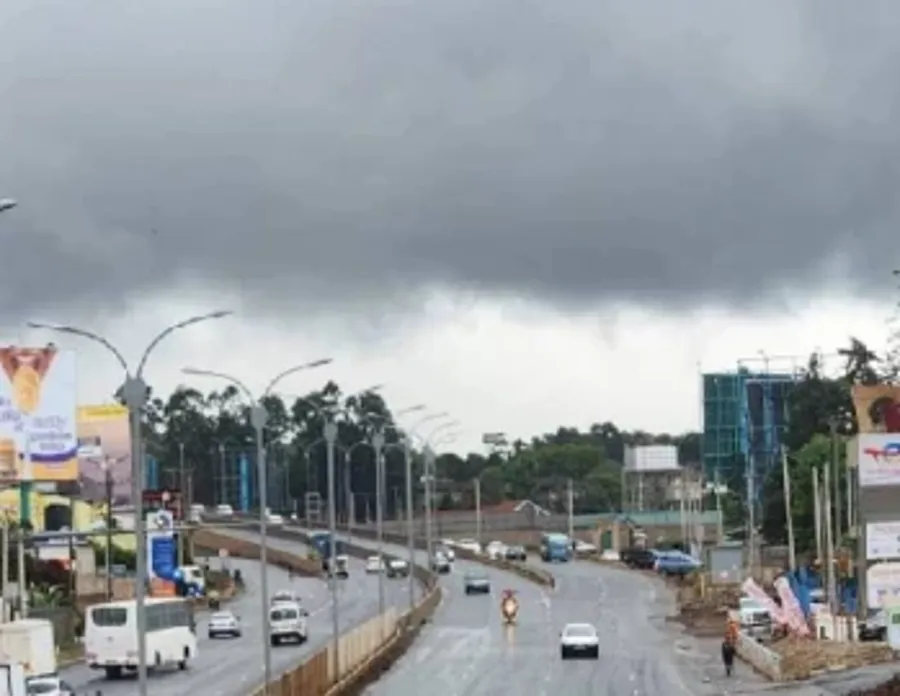
A file photo of a road in Nairobi.
The Kenya Meteorological Department has forecast rainfall across several parts of the country over the next seven days, warning that isolated storms in some coastal and northeastern areas could trigger flash floods.
In its seven-day rainfall forecast covering October 22 to 29, 2026, the department said rainfall is expected in several parts of 46 counties, including Nairobi and Marsabit, where only some areas are forecast to receive rain.
The counties expected to experience rainfall include Mandera, Wajir, Garissa, Tana River, Lamu, Kilifi, Mombasa, Kwale, Meru, Embu, Baringo, Bomet, Bungoma, Busia, Elgeyo Marakwet, Homa Bay, Kajiado, Kakamega, Kericho, Kiambu, Kirinyaga, Kisii, Kisumu, Kitui, Laikipia, Machakos, Makueni, Migori, Murang'a, Nakuru, Nandi, Narok, Nyamira, Nyandarua, Nyeri, Siaya, Taita Taveta, Tharaka-Nithi, Trans Nzoia, Turkana, Uasin Gishu, Vihiga and West Pokot.
The department singled out parts of Mandera, Wajir, Lamu, Kilifi, Mombasa and Kwale as areas that could experience isolated storms capable of causing flash floods.
It cautioned that rainfall distribution may vary across the affected counties, meaning some areas may receive more rain than others during the forecast period.
Residents in areas likely to experience storms are advised to exercise caution, particularly in flood-prone locations and near rivers and other waterways.
Motorists and pedestrians should also remain alert to possible flooding on roads during heavy downpours.
The Kenya Meteorological Service urged residents to take precautions during heavy rainfall and thunderstorms.
The department advised people not to walk or drive through flooded roads, rivers, bridges or other waterways, warning against attempting to cross areas affected by flooding.
It also cautioned against sheltering under trees or standing near isolated tall structures during thunderstorms because of the risk of lightning strikes.
Motorists were advised to reduce speed, maintain a safe following distance and use headlights when visibility is poor.
Residents living on or below steep slopes, unstable hillsides and in areas prone to landslides were urged to watch for warning signs, including cracks in the ground, leaning trees, unusual ground movement and sudden changes in water flow.
The department also encouraged farmers in areas receiving rainfall to take advantage of improved soil moisture.
About this article
- Length
- 379 words · 2 min read
- Published
- October 23, 2026
- Byline
- Claire Munde
- Source
- Citizen Digital