

Persian leopards hang on in the Caucasus despite landmines

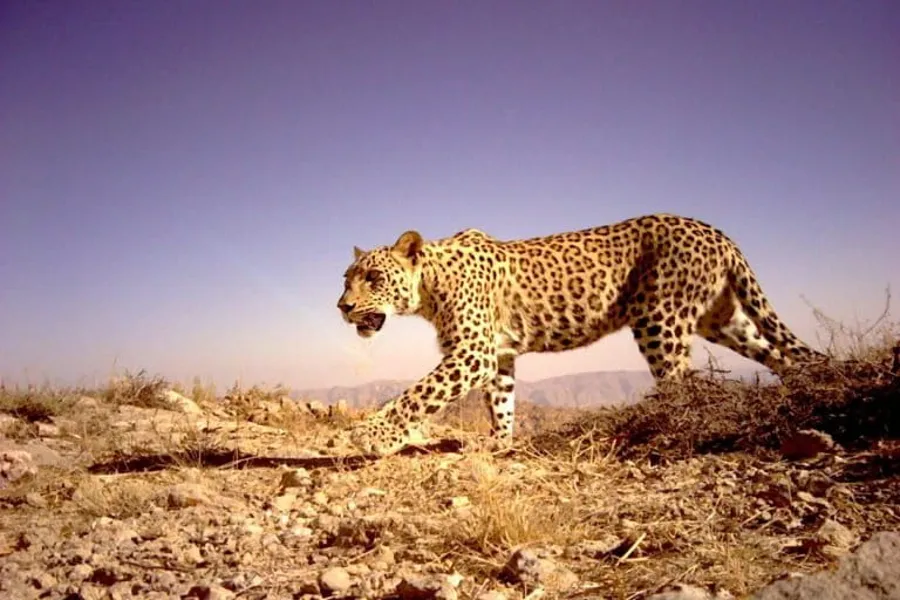
There have been few sightings of the endangered Persian leopard in the Caucasus region over the past 20 years: just three in Georgia and 10 in Armenia. But scientists and conservationists are alert to one Persian leopard in particular, whom they’ve named Aren and who is presumed to have journeyed 240 kilometers (150 miles) through cold, mountainous terrain with only three legs. This region of the world — made up of southern Russia, Georgia, Armenia, and Azerbaijan — still contains decades-old minefields from prior conflicts, and it’s believed this is how Aren was injured. Joining the Newscast this week to discuss her story for Mongabay is journalist Kayleigh Long, who explains how this leopard subspecies, Panthera pardus tulliana, persists in the region. She also describes how NGOs like NACRES, operating on extremely thin budgets, continue to monitor the big cats and provide what protection they can. “WWF is also monitoring the leopards. They put some cameras out in the same area as NACRES. So it’s really difficult,” she says. “I mean, these guys … are doing things on an absolute skeleton crew. And that’s partly because of a lack of funding more generally. There’s been a kind of tightening of purse strings around the world.” NACRES, founded in Georgia in 1991 as the Noah’s Ark Centre for the Recovery of Endangered Species and later renamed the Centre for Biodiversity Conservation & Research, has a staff of just three people, led by a zoologist named Bejan Lortkipanidze, who accompanied Long in…This article was originally published on
Mongabay
About this article
- Length
- 256 words · 1 min read
- Published
- October 27, 2026
- Byline
- Mike DiGirolamo
- Source
- Conservation news