

To tackle environmental crime, track profits through the whole supply chain (commentary)

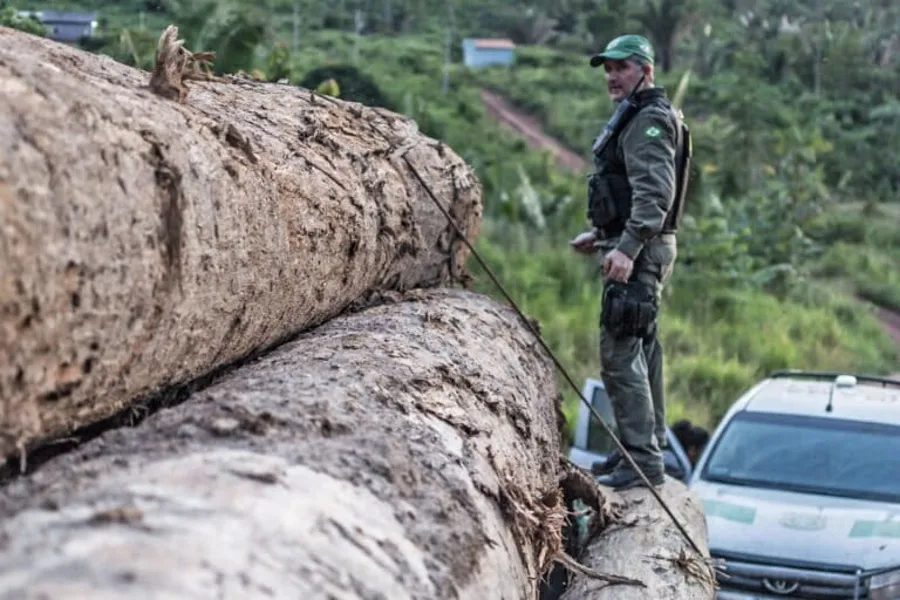
The world has spent a decade trying to put a price on nature. Forests have become carbon sinks, while wetlands are increasingly described as natural infrastructure. Biodiversity is also being drawn into financial markets. Governments and investors have poured billions into carbon markets and conservation finance, including green bonds. Around them, a financial system is emerging on the assumption that intact ecosystems can generate enough economic value to protect them. A more destructive economy has been putting a price on nature for much longer. It makes money by extracting and selling it. Land grabbing, illegal logging, illicit gold mining and wildlife trafficking are usually treated as environmental offenses, so responsibility falls to park rangers, customs officials and specialized police. That view badly underestimates what is happening. In a new paper for the Brookings Institution, we argue that environmental crimes are a serious drag on both sustainable development and climate action. They damage ecosystems and weaken the institutions charged with governing them. They also drain revenue from legitimate companies and public coffers. Enforcement alone will not solve a problem that runs through trade, finance and local political economies. An IBAMA agent participates in a raid on an illegal logging and mining operation within an Indigenous reserve. Image courtesy of IBAMA. Global criminal economy No one knows exactly how large this economy has become. A widely cited estimate puts annual proceeds at between $110 billion and $281 billion, but the true figure is probably far higher, perhaps in the trillions. What makes the business…This article was originally published on
Mongabay
Follow the story
About this article
- Length
- 258 words · 1 min read
- Published
- September 25, 2026
- Byline
- Ilona Szabó de CarvalhoRobert Muggah
- Source
- Conservation news