

Environmental officials fear new wave of harassment if Flavio Bolsonaro wins in Brazil
The memory of constant surveillance, transfers and locked computers haunts federal environmental servants.

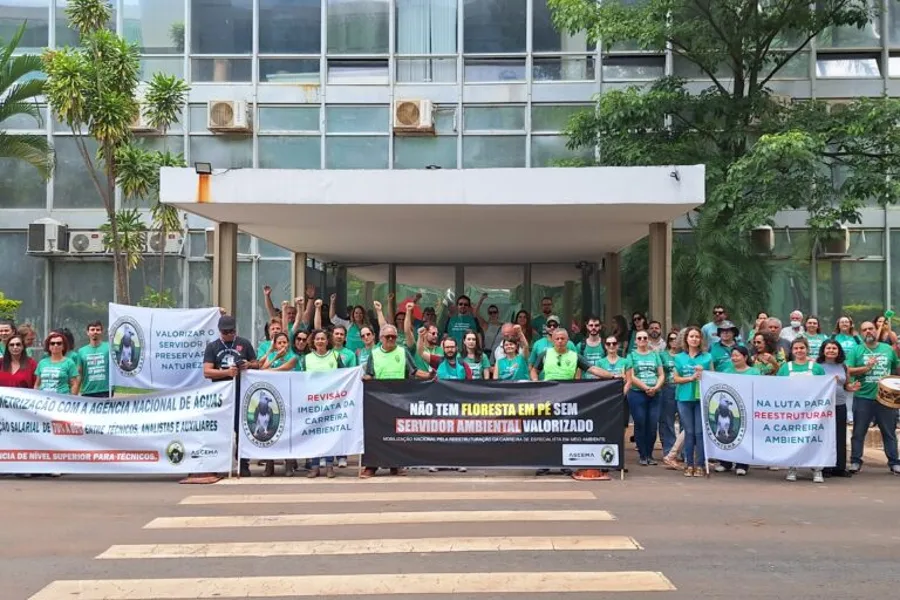
Federal civil servants in environmental and Indigenous affairs fear a resurgence of the intimidation and institutional harassment they faced under the administration of far-right former President Jair Bolsonaro (2019-2022) if his son, Senator Flávio Bolsonaro, wins the presidency in Brazil. The candidate has announced that he will eliminate “environmental hurdles” so rural landowners can do “whatever they want on their land.” “We literally have a target in the middle of our forehead,” Tânia Maria de Souza, president of the federal environmental civil servants’ association, Ascema, told Mongabay. “It’s déjà vu.” The Bolsonaro administration brought a relentless series of actions against the environment and Indigenous rights. Bolsonaro refused to demarcate any Indigenous territories, fulfilling his 2018 campaign pledge, while deforestation and violence against Indigenous groups and public servants escalated alongside measures to open Indigenous lands to mining and agribusiness in clear violation of the Federal Constitution. “It was traumatic,”Alexandre Bahia Gontijo, former director of Ascema and former president of Asibama-DF, which represents IBAMA civil servants in the Federal District, said of the Bolsonaro administration. “Everyone is extremely apprehensive.” Activists call Flávio’s agenda “the return of the cattle herd,” referencing a 2020 statement by then-Environment Minister Ricardo Salles that the COVID-19 pandemic was an opportunity to “let the cattle herd run through” by changing environmental rules and regulations without drawing scrutiny from the National Congress and the press. Former Environment Minister Ricardo Salles left, with former President Jair Bolsonaro (right). Image courtesy of Marcos Corrêa/PR. Flávio finished first in the opening round…This article was originally published on
Mongabay
Follow the story
About this article
- Length
- 256 words · 1 min read
- Published
- October 23, 2026
- Byline
- Karla Mendes
- Source
- Conservation news