

Stroke deaths rise in South Africa as younger people face growing risks

AI summary
Stroke deaths in South Africa increased between 2013 and 2024, with the condition also becoming a more prominent cause of death among people aged 15 to 44, according to the Heart and Stroke Foundation South Africa (HSFSA).
The foundation is using World Stroke Week 2026 to highlight the importance of recognising stroke symptoms, seeking emergency medical care immediately and understanding that a stroke can affect people of any age.
Under the global message ‘Every M1NUTE counts. Know the signs of stroke’, the campaign also carries the HSFSA theme ‘Every year counts, because strokes are getting younger’.
The foundation compared national cerebrovascular disease mortality data from 2013 and 2024.
The findings show that cerebrovascular disease rose from the fourth-leading cause of death in 2013, when it accounted for 22 463 deaths, or 4.9% of all deaths, to the third-leading cause in 2024, with 25 539 deaths, or 5.4%.
Among people aged 15 to 44, deaths increased from 1 911 to 2 045 over the same period. Cerebrovascular disease also moved from the ninth to the fifth-leading cause of death in this age group.
Why stroke awareness matters at every age
A stroke occurs when blood flow to part of the brain is interrupted, causing brain cells to die.
The HSFSA estimates that about 1.9 million brain cells are lost every minute during a stroke, highlighting the importance of recognising symptoms and obtaining emergency care without delay.
Although age remains an important risk factor, stroke is not limited to older people. It can also affect younger adults, babies and children.
HSFSA CEO Professor Pamela Naidoo said knowledge of stroke risk factors and the steps to take after a stroke can influence health outcomes. She also emphasised that what happens after a stroke is as important as the treatment received during the emergency.
Stroke survivor and HSFSA champion Tanielle Flint urged people not to assume they are too young to be affected.
‘Too often, we think we are too young to have a stroke, but age does not make us immune. Knowing the symptoms or signs and seeking emergency medical help immediately can make all the difference.’
The foundation identifies high blood pressure, diabetes, high cholesterol, obesity, smoking and physical inactivity among the factors associated with stroke risk. Certain heart conditions, blood disorders and other medical conditions can also contribute.
It warns that younger people may underestimate their risk or delay routine health checks, leaving underlying conditions undetected.
Prevention involves more than individual choices
The HSFSA says up to 70% of strokes are preventable through healthy living, including a varied diet, regular exercise, maintaining a healthy weight and not smoking.
It recommends a diet rich in whole grains, fruit, vegetables, legumes and healthy oils.
Indigenous African foods such as morogo, Bambara groundnuts, cowpeas, sorghum and millet are highlighted as nutritious options that can also be affordable.
Beans, lentils, eggs and seasonal produce are among the other foods the foundation recommends as part of a balanced diet. Planning meals, buying local and seasonal produce, and cooking at home can help households make nutritious choices on a budget.
The foundation also encourages regular health screenings and early management of existing medical conditions. However, it stresses that prevention is not solely an individual responsibility.
Financial pressures can limit access to nutritious food and healthcare, while people in rural and underserved communities may face long journeys to hospitals, unreliable transport and limited access to rehabilitation services.
Unsafe roads, a lack of pavements and limited recreational spaces can also make regular physical activity more difficult. These barriers may increase health risks, delay emergency treatment and make recovery more challenging.
The HSFSA is calling on government and other stakeholders to invest in safe public spaces, improve access to affordable nutritious foods and strengthen primary healthcare, rehabilitation and mental health services, particularly in rural and peri-urban communities.
Families, friends, community groups and healthcare workers can help people manage risk factors, attend appointments, follow prescribed treatment and maintain healthier routines.
The foundation’s Mended Heart and Stroke Group offers free monthly meetings for people who have experienced a heart attack or stroke, as well as their caregivers, families and friends. Regional meetings take place in selected areas in Cape Town, Durban and Johannesburg.
The group provides educational and emotional support, helping people affected by cardiovascular and cerebrovascular conditions navigate prevention and recovery.
Communities can also help people respond quickly when a stroke is suspected by identifying nearby healthcare facilities and planning how to access emergency assistance.
The HSFSA advises people to call 112 from a cellphone or 10177 for an ambulance in South Africa. Community health workers, local leaders and organisations can help spread awareness and encourage families to seek help immediately rather than wait for symptoms to improve.
Through its FAST Heroes programme, the foundation also helps teach schoolchildren how to recognise stroke signs and symptoms.
The HSFSA emphasises that stroke recovery does not end when a patient leaves hospital. Early treatment and continued rehabilitation can help survivors regain movement, speech and cognitive function, improve independence and reduce long-term disability.
Physiotherapy, speech therapy and occupational therapy can form part of the recovery process. Mental health support is also important, while assessment by a neuropsychologist can help identify the effects of a stroke and inform rehabilitation.
The foundation notes that younger survivors may have greater capacity for neuroplasticity, as the brain’s ability to reorganise and form new neural connections after an injury, making active participation in rehabilitation particularly important.
However, access to ongoing care and support remains important for survivors of all ages.
World Stroke Week culminates in World Stroke Day on Thursday, 29 October 2026. The occasion aims to raise awareness of stroke prevention, early recognition and timely treatment.
The HSFSA says landmarks in South Africa and around the world will be illuminated in green to draw attention to the impact of stroke and the need for greater awareness.
Its message is that recognising the warning signs, addressing risk factors and ensuring access to emergency treatment and rehabilitation require action from individuals, families, communities and healthcare systems.
Be the first to know – Join our WhatsApp Channel for content worth tapping into! Click here to join!
Also read:
HealthLab launches to help South Africans take better care of their health
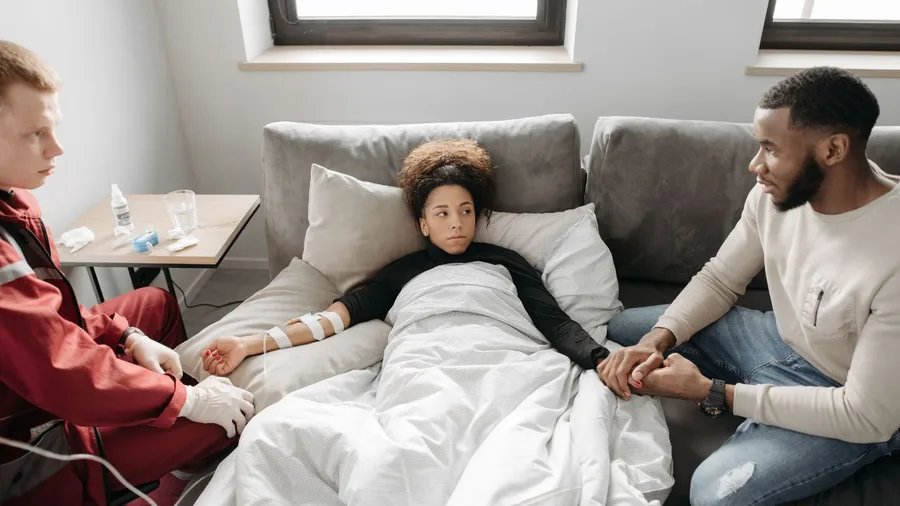
Picture: Pavel Danilyuk/Pexels
The post Stroke deaths rise in South Africa as younger people face growing risks appeared first on Cape Town ETC.
Follow the story
About this article
- Length
- 1,067 words · 5 min read
- Published
- October 25, 2026
- Byline
- Lulama Klassen
- Source
- Cape Town ETC