

Olu Jacobs, actor who gave Nollywood its gravitas
…Oludotun Baiyewu Jacobs, actor and film executive, 1942–2026 There was a particular stillness to Olu Jacobs. He could enter a read more Olu Jacobs, actor who gave Nollywood its gravitas

AI summary
…Oludotun Baiyewu Jacobs, actor and film executive, 1942–2026
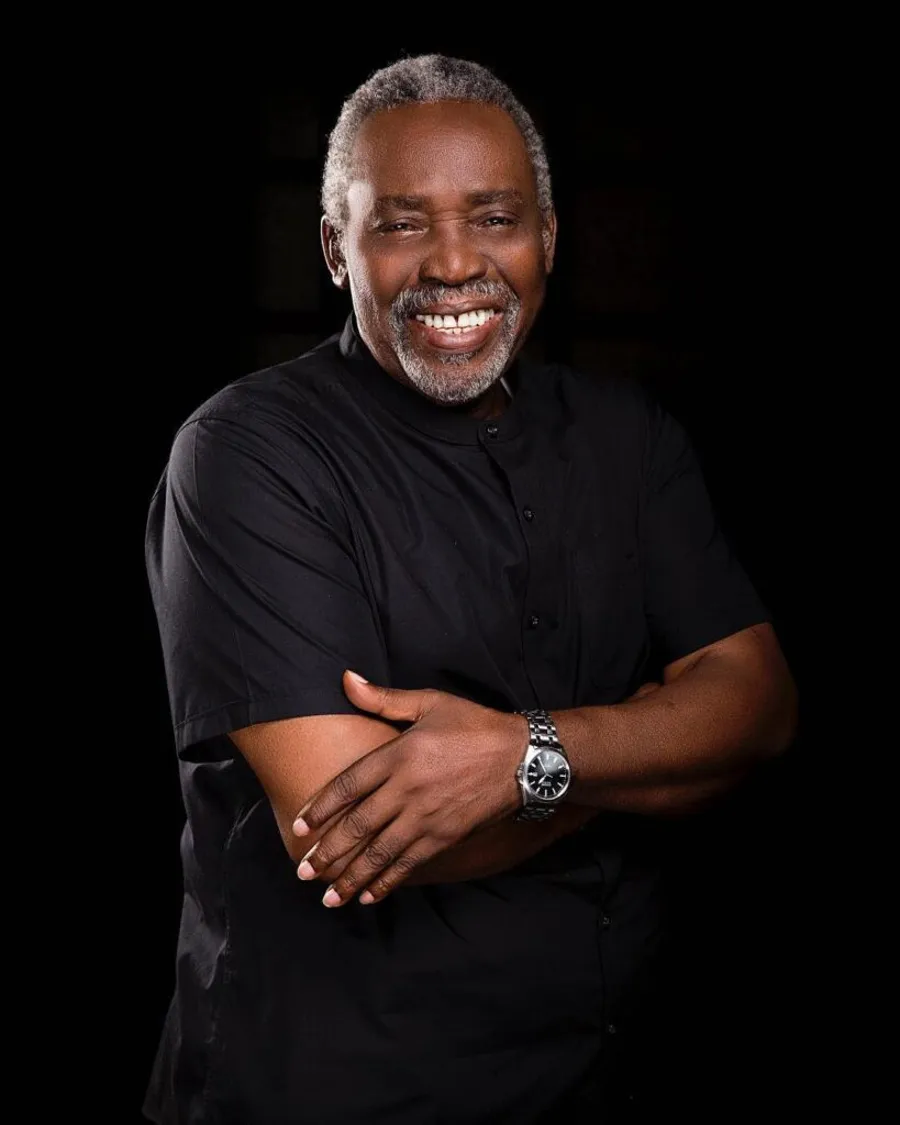
There was a particular stillness to Olu Jacobs. He could enter a scene without hurry and seem to have been there before everyone else. His voice carried the authority of a man who had seen the argument from both sides. His face, stern when it needed to be and amused when it could be, became one of the familiar faces through which Nigerian cinema came to know itself.
Olu Jacobs, one of the defining actors of Nigerian theatre, television and film, has died at 84.
His family announced his death on Wednesday, September 16, 2026. His son, Olusoji Jacobs, announced the news on Instagram, describing him as a beloved husband, father, grandfather and uncle and calling him “The Lion of Lufodo”. The family asked bloggers and social media influencers to respect its privacy.
For years, death had pursued Jacobs prematurely.
Rumours of his death appeared repeatedly, and in June 2024 his family publicly denied another such report. His son confirmed then that the actor was alive, while a video of Jacobs was circulated to dispel the rumours.
This time there was no correction.
Jacobs was born on July 11, 1942, to parents of Egba Alake origin. He spent part of his childhood in Kano, where he attended Holy Trinity School and took part in debating and drama. An encounter with one of Hubert Ogunde’s travelling concert parties helped convince him that acting could be more than a schoolboy’s pastime.
Read also: The life and times of veteran Nigerian actor Olu Jacobs
He travelled to Britain and trained at the Royal Academy of Dramatic Art in London.
There, before Nollywood had acquired a name, Jacobs was learning the discipline of the stage. His early theatre work included performances at the Crucible Theatre in Sheffield and appearances with British theatre companies. He played President Mageeba in the 1978 London production of Tom Stoppard’s Night and Day and worked extensively in British television.
He appeared in programmes including The Goodies, Till Death Us Do Part, The Professionals, Angels and The Tomorrow People. He also crossed into international cinema, appearing in films including The Dogs of War, Roman Polanski’s Pirates and Baby: Secret of the Lost Legend. Then came Nigeria.
By the time Jacobs returned home, the country had a growing television industry and an older theatrical tradition waiting for actors who could inhabit both worlds. In 1990, he appeared in the Nigerian television detective series The Third Eye. Later came the explosion of home video and the industry that would become known as Nollywood. Jacobs was ready for it.
He became one of the actors who supplied Nollywood with something it badly needed: a sense of history.
He could play the king, the patriarch, the politician, the businessman, the priest or the villain, and make each seem to belong to a world beyond the frame. His characters often appeared to possess lives before the camera found them and after it left.
That quality mattered.
Nollywood was built quickly, often under severe financial and technical constraints. Films were being made for an expanding Nigerian audience with speed that would have astonished the older theatrical establishment. Jacobs belonged to a generation that carried the traditions of stage acting into this new, improvised cinema.
He became a bridge.
His career eventually encompassed more than 100 Nigerian films, while his work in theatre and television stretched across several decades. He was not simply an actor who happened to work in Nollywood. He was part of the generation that gave the young industry some of its most recognisable faces and voices.
Recognition followed.
In 2007, Jacobs won the Africa Movie Academy Award for Best Actor in a Leading Role. In 2011, he received the Nigerian national honour of Member of the Order of the Federal Republic. The following year he was honoured alongside his wife, actress Joke Silva, by the Audio-Visual Rights Society of Nigeria, while the Africa Magic Viewers’ Choice Awards had earlier presented him with an Industry Merit Award for his contribution to acting.
But awards were never quite the measure of Jacobs. His importance was easier to see in the actors who came after him.
There was the cultivated voice, the careful diction, the economy of movement. There was the understanding that acting was not merely about remembering lines or becoming angry at the appropriate moment. It was about knowing when to speak, when to pause and when simply to look.
In a young industry, he looked old in the best possible sense: seasoned, trained and difficult to hurry.
Away from the screen, Jacobs and Joke Silva became one of Nigerian entertainment’s best-known couples. Their professional lives often intersected, and together they were associated with Lufodo Productions and the Lufodo Academy of Performing Arts.
In later years, Silva spoke publicly about her husband’s health and the changes that came with it. His appearances became increasingly rare. The actor who had once filled screens with his voice and presence gradually disappeared from public life.
Read also: Veteran Nollywood actor Olu Jacobs dies at 84
There is a curious fate reserved for actors. Writers leave books. Musicians leave recordings. Painters leave canvases. Actors leave fragments of themselves inside other people.
Jacobs left many, and he left an industry that is now vastly larger than the one he entered.
Nollywood has become one of the world’s most prolific film industries, its films travelling far beyond Nigeria through cinemas, television and streaming platforms. Jacobs belonged to the generation before that expansion, when Nigerian filmmakers were still building an industry from the ground up. He helped give that industry a face.
On September 16, the curtain finally fell. Olu Jacobs was 84.
He leaves behind his wife, Joke Silva, their children and grandchildren, colleagues who worked beside him and generations of Nigerian actors who inherited, whether directly or indirectly, something from his long apprenticeship in the craft.
Follow the story
About this article
- Length
- 985 words · 5 min read
- Published
- September 16, 2026
- Byline
- Anthony Udugba
- Source
- BusinessDay