

State proposes mandatory livestock identification system

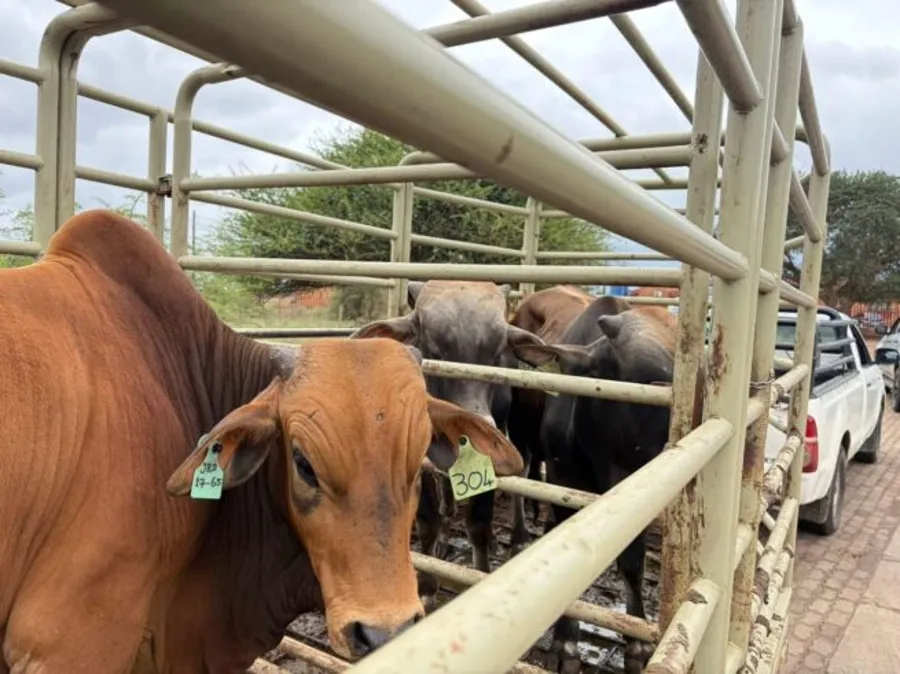
The Department of Agriculture has published draft regulations that would require livestock owners across the country to identify and register animals on a national database.
This move is aimed at strengthening traceability, disease control and ownership verification in the agricultural sector.
The proposed regulations, published under the Animal Improvement Act, 1998, were gazetted on Tuesday, October 6 and are open for public comment for 90 days.
The regulations cover a broad range of species, including cattle, sheep, goats, pigs, ostriches, horses, donkeys, rabbits, dogs and bee colonies. Different identification methods, including ear tags, microchips, tattoos and branding, would be permitted depending on the species.
The rules would require owners of declared animals to identify animals using approved identification devices and ensure that records are captured on the Integrated Registration and Genetic Information System (INTERGIS).
Stock theft rife
The proposed regulations come as the country continues to grapple with stock theft, a crime that costs the agricultural sector millions of rand every year and remains prevalent in several rural provinces.
According to the South African Police Service, livestock theft remains a persistent challenge, particularly in major farming regions where cattle, sheep and goats are regularly targeted by criminal syndicates and opportunistic thieves.
Agriculture industry bodies have long argued that inadequate traceability systems make it difficult to prove ownership, recover stolen animals and secure successful prosecutions. The Department of Agriculture’s proposed regulations seek to address these challenges by requiring animals to carry approved identification devices linked to a central database containing ownership, location and animal health information.
Officials believe the strengthened identification regime could improve disease monitoring, support law-enforcement investigations and make it harder for stolen livestock to be sold through formal and informal markets. Owners who move animals without approved identification or fail to comply with registration requirements could face fines or imprisonment of up to two years if found guilty.
Under the proposed framework, animal owners would be required to register both themselves and their animals with the Registrar. Information recorded on the national system would include ownership details, the animal’s sex and age, identification tag numbers, health status, location, branding information and registration dates.
The department said identification devices must contain ownership information, provide a unique provincial identification number and indicate the animal’s holding or farm of origin. The information must also be integrated into the INTERGIS database.
Strict tagging requirements
The draft regulations propose mandatory identification of cattle at birth or before they reach six months of age. Sheep and goats would need to be identified within three weeks of birth or before being moved from their place of birth, while piglets would have to be identified within one week of birth.
Owners would be prohibited from moving animals between holdings unless the animals have been tagged using approved identification devices. Imported animals would also have to be identified within three days of being released at their point of entry into South Africa.
READ MORE: Limpopo stock theft suspects nabbed at roadblock with bakkie full of goats
Colour-coded system proposed
The department has proposed a colour-coded tagging system to improve monitoring and traceability. Animals born in South Africa would carry yellow tags, imported animals would be identified with green tags, while animals kept in foot-and-mouth disease-sensitive areas would be marked with red tags.
The regulations would also require owners to report lost ear tags within seven days to either the Department of Agriculture or the South African Police Service. Replacement tags and updated records would then need to be submitted to the authorities.
In addition, beekeepers would be required to register and mark hives with their brands while maintaining records of hive locations and movements.
READ MORE: Provinces must quicken foot and mouth vaccinations – minister John Steenhuisen
Tough penalties for violations
The draft rules introduce provisions governing the transfer of animal ownership, requiring both current and new owners to register animals on INTERGIS and record ownership changes within seven days. Transfers linked to deceased estates or companies would require supporting documentation.
Anyone found guilty of failing to comply with the regulations, misusing ear tags or unlawfully removing identification tags from infected or quarantined areas could face a fine or imprisonment of up to two years.
Minister of Agriculture Willem Abraham Stephanus Aucamp said interested parties have 90 days from the date of publication to submit comments on the proposed regulations before they can be finalised.
Follow the story
About this article
- Length
- 732 words · 4 min read
- Published
- October 6, 2026
- Byline
- Mpho Sibanyoni
- Source
- Sunday World