

Safeguarding community assets starts with all of us

A broken streetlight, a damaged traffic signal or a school stripped of its equipment may seem like an isolated incident. But the consequences can quickly spread through an entire neighbourhood.
When shared infrastructure is damaged or stolen, communities can face disruptions that go well beyond the immediate cost of replacing what was lost. Power interruptions can affect homes and businesses, while schools may be forced to close after being burgled and losing essential equipment.
That is why safeguarding community assets should not be viewed as the responsibility of one organisation or security provider. It is a shared responsibility involving residents, communities, private security companies and law enforcement.
The spaces communities depend on
Community safety extends beyond protecting homes and businesses.
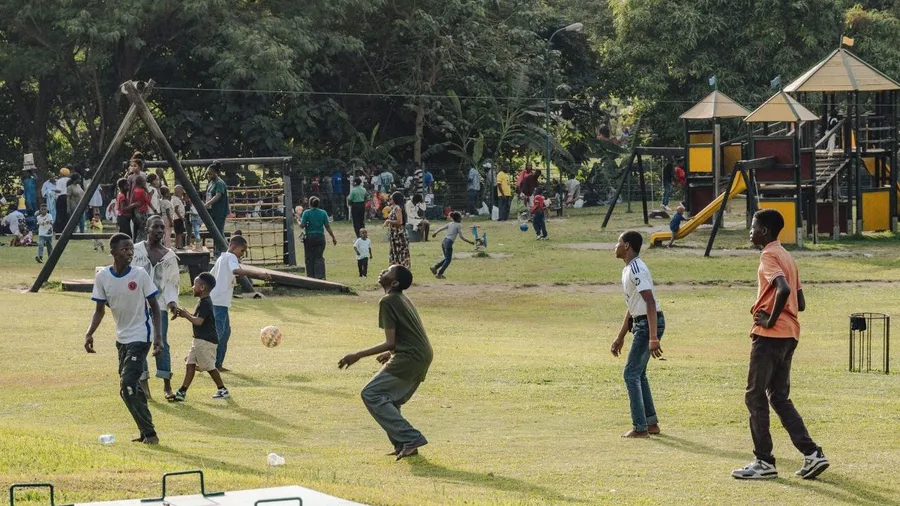
Schools, parks, sports facilities, places of worship and other public or shared spaces form part of the everyday fabric of neighbourhood life. Streetlights, traffic signals and meter boxes are also essential pieces of infrastructure, even if they are easy to overlook when they are working as they should.
Charnel Hattingh, Group Head of Marketing and Communications at Fidelity Services Group, says protecting these assets is closely connected to the wellbeing and quality of life of the wider community.
The festive season can bring additional challenges, with public spaces, schools, businesses and vacant properties potentially more exposed to break-ins, theft and deliberate damage.
Some infrastructure may also be targeted because of valuable components, while opportunistic criminals can take advantage of situations where properties or facilities are left less closely monitored.
Safety in public spaces matters too
Community assets are not limited to buildings and infrastructure. The people using shared spaces also need to remain alert to personal safety risks.
Residents who jog, cycle or spend time in community parks are encouraged to stay aware of their surroundings and know how to contact their private security provider or emergency services if they need assistance.
The message is straightforward: enjoying community spaces and helping protect them go hand in hand.
Residents can become part of the safety network
Crime prevention does not happen in isolation.
Regular security patrols, CCTV surveillance and suitable access controls can help protect community assets, but these measures can be strengthened when communities work alongside private security companies and the South African Police Service.
Residents also have an important role to play by reporting suspicious people or activity to the appropriate security provider or the police.
Community communication platforms and social media can make it easier to share information, provided that concerns are passed on to the appropriate authorities.
Neighbourhood WhatsApp groups, Neighbourhood Watches and Community Policing Forums can provide ways for residents to stay connected and involved. Community clean-up projects can also encourage people to take greater pride in the spaces around them.
A cleaner neighbourhood can be a more watchful neighbourhood
There is another side to community safety that is easy to overlook: the condition of the environment itself.
Fidelity Services Group promotes the view that ‘a cleaner city is a safer city‘. The thinking is that when residents take pride in their surroundings, they may be more likely to notice unusual or suspicious activity and take action to protect the spaces they share.
Active communities can therefore play a practical role in making neighbourhoods less attractive to criminals while strengthening residents’ sense of shared responsibility.
Protecting shared spaces starts locally
Community infrastructure belongs to the everyday life of the people who rely on it. A streetlight helps people move through an area safely. A school provides a place for children to learn. A park or sports facility gives residents somewhere to gather, exercise and socialise.
When these assets are damaged or stolen, the impact can reach much further than the original crime.
For residents, safeguarding these spaces can start with simple actions: staying alert, reporting suspicious activity, participating in neighbourhood initiatives and knowing who to contact when help is needed.
As the festive season approaches, the call is for communities to remain vigilant and involved.
Protecting the infrastructure and shared spaces that communities depend on is not the responsibility of one person or organisation. It begins with residents taking an active interest in the places around them – and recognising that safer, stronger neighbourhoods are built through shared responsibility.
Be the first to know – Join our WhatsApp Channel for content worth tapping into! Click here to join!
Also read:
‘Know their names’: Cape Town to host shroud walk for Palestinian children
**Picture: **Marvellous Adu / Pexels
The post Safeguarding community assets starts with all of us appeared first on Cape Town ETC.
Follow the story
About this article
- Length
- 760 words · 4 min read
- Published
- October 1, 2026
- Byline
- Hope Makhoba
- Source
- Cape Town ETC