

Pelpuo calls for independent commission to oversee Ghana’s public sector remuneration
Minister for Labour, Jobs and Employment Dr Abdul-Rashid Pelpuo has called for an independent and transparent body to oversee remuneration across Ghana’s public sector. He said a unified framework could help address disparities in salaries and reduce situations where individual institutions pursue separate arrangements for improved pay. Speaking on The Pulse on JoyNews, Dr Pelpuo said the issue of salary disparities had contributed to concerns raised by public sector workers, including members o

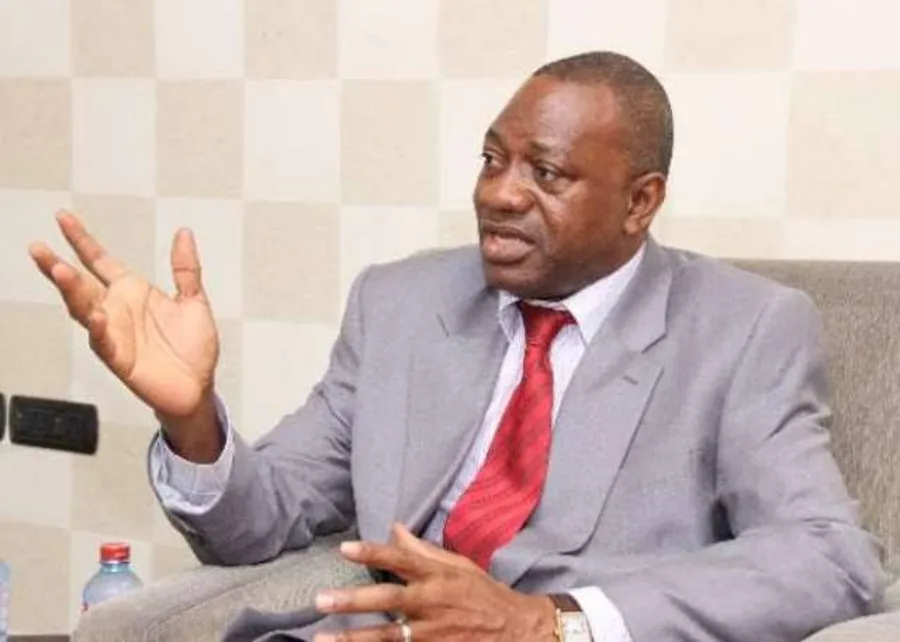
Minister for Labour, Jobs and Employment Dr Abdul-Rashid Pelpuo has called for an independent and transparent body to oversee remuneration across Ghana’s public sector.
He said a unified framework could help address disparities in salaries and reduce situations where individual institutions pursue separate arrangements for improved pay.
Speaking on The Pulse on JoyNews, Dr Pelpuo said the issue of salary disparities had contributed to concerns raised by public sector workers, including members of the Civil and Local Government Staff Association of Ghana (CLOGSAG).
“One of the reasons CLOGSAG was going on strike was because we were all agitating that our salary structures should be changed so we can earn more,” he said.
He argued that an independent body should assess workers across the public sector and determine appropriate remuneration based on clearly defined criteria.
“If there’s an independent transparent commission that can look at workers’ remuneration across board and put people at where they are across board, there wouldn’t be a problem,” he said.
Dr Pelpuo compared the proposed arrangement to the role of the Public Utilities Regulatory Commission (PURC), which operates an independent regulatory framework for determining utility tariffs.
“There must be a unified approach to it and by an independent body like PURC, as an independent body, is determining tariff across board. They shouldn’t be influenced by anybody,” he added.
Unified system would not mean equal salaries
The Minister stressed that a unified remuneration framework would not mean all public servants would earn the same salary.
He said differences would remain based on factors such as the nature of a job, responsibilities, productivity and the risks associated with particular occupations.
“It doesn’t mean that when that happens everybody is going to take the same salary,” he said.
Instead, he said the principle should be to ensure that remuneration reflects the work performed and the level of productivity.
The proposal comes as the government considers the establishment of an Independent Public Emoluments Commission to provide what officials have described as a more objective mechanism for determining public sector remuneration. The Labour Ministry engaged the Fair Wages and Salaries Commission in July to review progress towards establishing the proposed body.
The government has previously negotiated public-sector pay adjustments under the existing framework. For 2026, a nine per cent increase in base pay under the Single Spine Salary Structure was agreed between government and organised labour.
Dr Pelpuo’s comments therefore add to ongoing discussions about how Ghana can create a more consistent, transparent and sustainable system for determining public sector compensation.
Follow the story
About this article
- Length
- 420 words · 2 min read
- Published
- September 30, 2026
- Byline
- Caleb Ahinakwah
- Source
- Joy News