

Nigeria’s Democratic Future Rests On Strong Institutions, Ethical Leadership – FUL Don
A Professor of History and International Studies at the Federal University Lokoja (FUL), Abdulrahman Ochi Suberu, has warned that Nigeria’s democratic future will remain fragile unless the country strengthens its institutions, promotes ethical leadership and ensures strict adherence to the rule of law. Suberu made this submission while delivering the 45th inaugural lecture of the... The post Nigeria’s Democratic Future Rests On Strong Institutions, Ethical Leadership – FUL Don appeared first on

AI summary
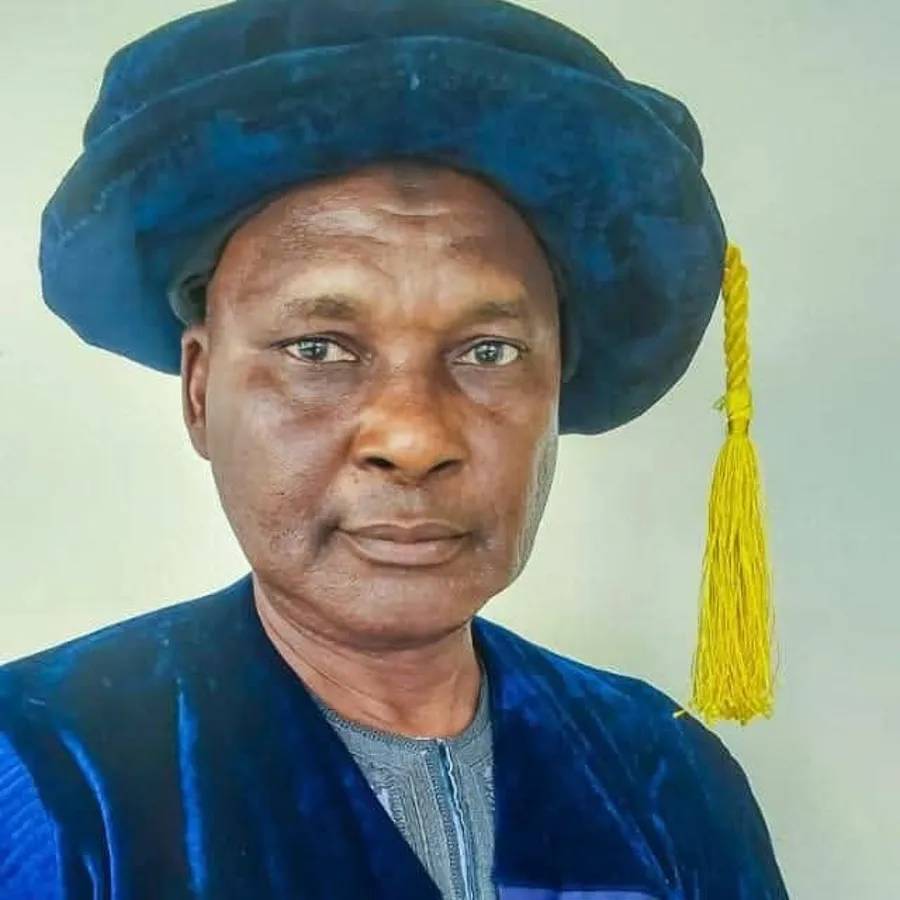
A Professor of History and International Studies at the Federal University Lokoja (FUL), Abdulrahman Ochi Suberu, has warned that Nigeria’s democratic future will remain fragile unless the country strengthens its institutions, promotes ethical leadership and ensures strict adherence to the rule of law.
Suberu made this submission while delivering the 45th inaugural lecture of the Federal University Lokoja at the Felele campus of the institution on Wednesday.
The lecture, titled “Persisting Illegalities in Nigeria’s Political Space: Who Is to Blame? A Historical Discourse on Power, Institutions and Democratic Governance,” examined the historical and institutional factors responsible for the continued violation of democratic norms in the country.
The don identified weak institutions, political interference, poor enforcement of laws and the failure of political parties to uphold internal democracy as some of the major factors sustaining illegalities in Nigeria’s political system.
According to him, Nigeria has sufficient constitutional and institutional frameworks to support democratic governance, but weaknesses in enforcement have continued to create room for political actors to violate established rules with little or no consequences.
He noted that inadequate funding, bureaucratic inefficiencies, lack of operational independence and selective application of laws had weakened several institutions saddled with the responsibility of protecting democratic values.
“Where enforcement is inconsistent, political actors begin to calculate that the benefits of violating rules outweigh the risks of punishment. Illegalities persist not due to absence of laws but because enforcement mechanisms are often weak,” he said.
Professor Suberu also attributed part of the country’s democratic challenges to the internal workings of political parties, particularly the imposition of candidates, monetisation of political processes and the dominance of powerful individuals and financiers.
He maintained that political parties, being the primary vehicles for democratic competition, must first demonstrate the democratic values they seek to promote at the national level.
“Political parties are central to democratic competition, but when they fail to practise internal democracy, they weaken the entire democratic system,” he said.
The university don also examined the role of the judiciary in Nigeria’s democratic development, acknowledging its contributions to electoral dispute resolution and the protection of constitutionalism.
However, he expressed concern over allegations of corruption, delays in the administration of justice and political pressure, stressing that public confidence in democracy would largely depend on citizens’ perception of the judiciary as impartial and independent.
He similarly called for professionalism and neutrality among security agencies, warning that perceived partisanship, selective enforcement and excessive use of force could undermine the credibility of elections and erode public confidence in democratic institutions.
“Security institutions must remain neutral, professional, and guided strictly by constitutional mandates to sustain democratic legitimacy,” he said.
Proffering solutions, Suberu called for a renewed commitment to constitutional supremacy, insisting that no individual or institution should be allowed to operate above the law.
He urged governments at all levels to respect judicial pronouncements and ensure that executive actions remained within constitutional and legal boundaries.
The professor further advocated merit-based appointments, adequate funding and institutional safeguards against political interference as measures capable of strengthening public institutions.
He argued that strong institutions remained the foundation of sustainable democracy, adding that political leaders, institutions and citizens must collectively promote accountability, reject corruption and electoral malpractice, and cultivate respect for the rule of law.
According to him, the persistence of political illegalities in Nigeria is the cumulative product of colonial legacies, military authoritarianism, institutional weaknesses and failures of ethical leadership.
“The future of Nigeria will be determined not by its resources, but by the strength of its institutions, the integrity of its leadership, and the vigilance of its citizens,” he said.
The inaugural lecturer also challenged Nigerian universities to assume a more active role in producing ethical leaders and generating research capable of addressing the country’s governance challenges.
He stressed that academic scholarship should go beyond the confines of lecture halls and contribute meaningfully to national development and the strengthening of democratic institutions.
Earlier, the Vice-Chancellor of the university, Professor Gbenga Solomon Ibileye, called for deeper national reflection on the persistence of illegality within Nigeria’s political space.
Ibileye, while reflecting on the theme of the lecture, likened it to a courtroom summons, with illegality presented as a standing charge and the academic community invited to act as a jury in determining responsibility.
He stressed the importance of historical analysis in understanding and addressing contemporary governance challenges, describing the lecture as the reopening of a “cold case” whose patterns had gradually become normalised in the country.
Follow the story
About this article
- Length
- 740 words · 4 min read
- Published
- September 2, 2026
- Byline
- Muhammad Bashir
- Source
- New Telegraph