

World Animal Day 2026: See the World Through Their Eyes

As World Animal Day approaches on 4 October, a simple change in perspective is at the heart of this year’s message: try to understand the world from an animal’s point of view.
For South Africans, that can mean looking differently at the animals sharing our homes, the animals raised for food and the wildlife living beyond our towns and cities.
Global animal welfare organisation FOUR PAWS is using this year’s theme, ‘See the World Through Their Eyes,‘ to encourage people to think more carefully about how everyday human choices affect animals.
The message is particularly relevant in a country where animal shelters continue to care for abandoned and neglected pets, while concerns about farm animal welfare and pressures facing wild animals remain part of the wider animal protection conversation.
People and animals may experience the world differently, but animals can experience pain, fear, stress and comfort.
That means welfare is about more than simply preventing obvious cruelty. It also involves considering whether animals have the conditions they need to live healthy and fulfilling lives.
For a dog, that includes basics such as food, shelter, safety, companionship and responsible care.
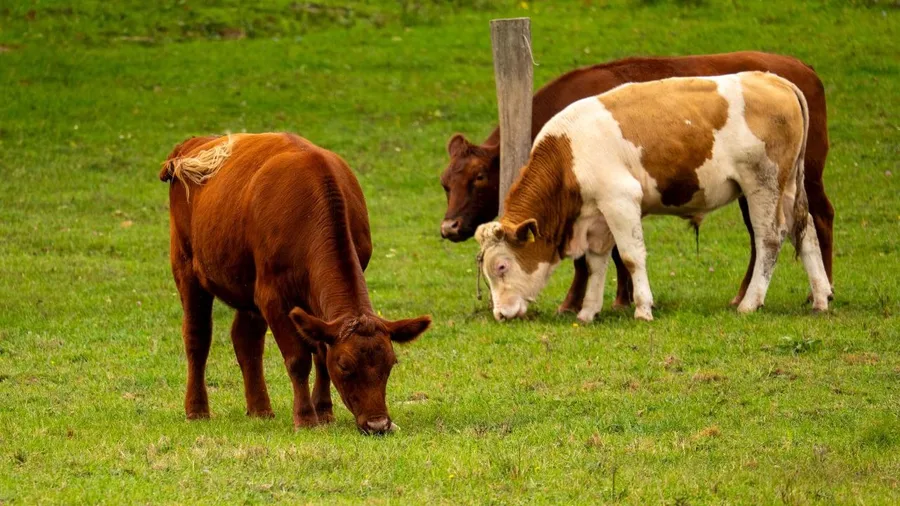
For farm animals, welfare includes suitable living conditions, enough space, humane treatment and opportunities to express natural behaviours.
Wild animals have different needs again. According to FOUR PAWS, protecting their welfare means recognising the importance of freedom from exploitation and allowing them to live according to their natural behaviours.
In other words, there is no single definition of good care that applies equally to every animal.
South Africa’s animal welfare choices start at home
One of the most immediate ways people can make a difference is through how they care for companion animals.
Adopting from a shelter can give an abandoned animal a home, while sterilising pets can help reduce unwanted litters and the risk of further abandonment.
Supporting local animal welfare organisations is another practical option. Donations and volunteering can help organisations that spend their time caring for animals in need.
FOUR PAWS is also encouraging consumers to consider plant-based products and to avoid activities that exploit wild animals for entertainment.
These choices may look different from one household to another, but they share the same basic idea: human decisions can have consequences for animals.
Looking beyond pets
It is easy to associate animal welfare primarily with cats and dogs, particularly because shelters and rescue organisations are visible parts of many communities.
But the World Animal Day message extends much further.
Farm animals also depend on people for their living conditions and treatment. FOUR PAWS says their welfare should include appropriate environments, sufficient space, humane treatment and the ability to display natural behaviours.
Wild animals face another set of challenges, including exploitation, captivity and continuing pressure on their natural habitats.
That broader view matters because animal welfare is not only about the animals people keep at home. It also concerns the animals whose lives are affected by food production, entertainment and human activity in the wider environment.
A lesson for children, too
Animal welfare can also become part of how children learn to understand and respect living creatures.
FOUR PAWS encourages families and communities to teach children empathy and respect for animals.
That lesson can begin with everyday interactions: understanding that animals have needs, recognising when they may be distressed and learning that responsible treatment means more than simply enjoying their company.
For children growing up around pets, farm animals or wildlife, these early lessons can shape how they think about animals as they grow older.
Small decisions can add up
The organisation’s World Animal Day appeal is deliberately practical.
South Africans are being encouraged to adopt responsibly, sterilise their pets, support shelters and animal welfare organisations, consider plant-based products, avoid captive wild-animal interactions and choose ethical wildlife experiences.
None of these actions requires people to become animal welfare experts.
The broader point is that awareness can influence ordinary decisions – from where a family gets its next pet to how it responds to wildlife entertainment.
As FOUR PAWS South Africa director Fiona Miles puts it, improving animal welfare begins with understanding animals as individuals with physical, psychological and behavioural needs.
Seeing animals differently
World Animal Day, observed annually on 4 October, provides an opportunity to pause and consider the relationship between people and animals.
This year’s theme asks for something that sounds simple but can change how everyday choices are viewed: seeing the world through an animal’s eyes.
For South Africans, that could mean asking a different question when making decisions that affect animals – not only whether something is convenient for people, but whether it supports the animal’s welfare too.
The goal, according to FOUR PAWS, goes beyond preventing suffering. It is about creating circumstances in which animals have opportunities to experience positive lives.
And perhaps that is the most practical takeaway from World Animal Day 2026: compassion starts with paying attention to the lives of the animals around us.
Be the first to know – Join our WhatsApp Channel for content worth tapping into! Click here to join!
Also read:
Outdoor movie magic in Cape Town: The Galileo Open Air Cinema returns!
**Picture: **Vladimir Srajber / Pexels
The post World Animal Day 2026: See the World Through Their Eyes appeared first on Cape Town ETC.
Follow the story
About this article
- Length
- 881 words · 4 min read
- Published
- October 2, 2026
- Byline
- Hope Makhoba
- Source
- Cape Town ETC