

GITEX Nigeria puts West Africa’s digital ambitions at core of global intelligence economy

AI summary
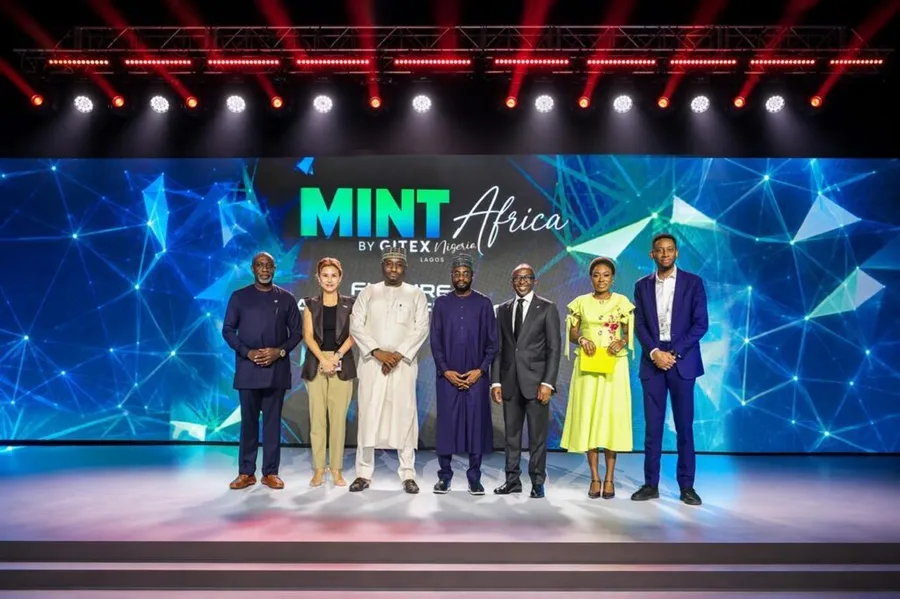
Technology companies, government policymakers, investors and startups converged in Lagos this week as GITEX Nigeria placed West Africa’s growing ambitions in artificial intelligence, digital infrastructure and innovation at the core of discussions about the global intelligence economy.
The two-day technology event, held at the Landmark Centre in Lagos from September 2 to 3, brought together more than 400 exhibiting companies and startups, over 150 speakers and more than 200 investors managing a combined $200 billion in assets.
The gathering comes as African governments and technology companies intensify efforts to build the infrastructure, talent and locally developed technologies needed to participate more competitively in the global digital economy.
At this year’s event, there was a growing conversation around digital sovereignty which is Africa’s ability to own and control the infrastructure, intelligence and technological capabilities that will shape its economic future.
**AI and digital infrastructure **
The exhibition floor showcased technologies spanning artificial intelligence, satellite communications, cybersecurity, enterprise software, digital payments and geospatial intelligence.
Among the international companies exhibiting was Space42, the UAE-based AI-powered space technology company, which presented satellite communications and Earth observation technologies aimed at expanding connectivity and improving access to geospatial data.
The company showcased its Thuraya NEO satellite communications portfolio, YahClick connectivity services, autonomous mobility technologies and GIQ, an AI-powered geospatial intelligence platform designed to transform Earth observation data into operational insights.
Elmuiz Saad, senior vice president of commercial at Space Services, Space42, said the company was working with regulators and service providers across West Africa to expand connectivity and access to geospatial intelligence.
“Through our services, we support governments, enterprises and communities in bridging communication and Earth observation gaps to accelerate sustainable economic growth,” Saad said.
HCLSoftware, an enterprise software company, also used the event to showcase cybersecurity and automation technologies, including its BigFix endpoint management platform and AppScan application security solution.
Constant Kannenberg, technical advisor for Africa at HCLSoftware, said African markets were moving beyond just adopting technology.
“Africa is no longer simply adopting technology; it is shaping solutions that address its own priorities,” Kannenberg said, adding that West Africa has the potential to become one of the continent’s leading digital innovation hubs.
Read also: OPay reaffirms commitment to Nigeria, financial inclusion in new pledge
**Payments and financial inclusion **
Financial technology and digital payments were also prominent at the event, reflecting the rapid expansion of Africa’s digital financial economy.
Mastercard showcased payment acceptance technologies including Tap on Phone, QR-on-Card and Pay by Link, alongside commercial payment solutions and Mastercard Move for cross-border transactions.
The company also highlighted AI-powered fraud prevention technologies, digital identity solutions and programmes designed to support fintech companies and small businesses.
Folasade Femi-Lawal, country manager for West Africa at Mastercard, said the company would continue investing in the infrastructure and partnerships needed to support Nigeria’s growing digital economy.
“As digital adoption accelerates and the ecosystem matures, Mastercard will continue to invest in the infrastructure, partnerships and innovation that help every business, from the largest institution to the smallest merchant, participate confidently in the digital economy,” she said.
Other companies exhibiting at GITEX Nigeria included Cisco, Dell Technologies, IBM, Hewlett Packard Enterprise, Meta, Kaspersky, KnowBe4, Cohesity, Zoho and Open Access Data Centres.
A chart to West Africa’s next decade
Beyond the exhibition floor, policymakers, investors and technology executives gathered at the GITEX Nigeria Future Economy Conference to discuss the policies and investments needed to drive West Africa’s next phase of digital growth.
Discussions focused on artificial intelligence, cybersecurity, next-generation connectivity, smart cities, mobility, STEM education and the long-term investments required to strengthen digital infrastructure.
The conversations reflect a broader push across Africa to ensure the continent does not remain primarily a consumer of emerging technologies but becomes a producer of the talent, infrastructure and solutions shaping the next generation of the global economy.
Industry estimates suggest that artificial intelligence could contribute as much as $1 trillion to Africa’s GDP by 2035, making investment in digital infrastructure and technical talent important for governments and businesses across the continent.
As the technology sector continues to expand, GITEX Nigeria is positioning Lagos as a meeting point for global technology companies and Africa’s emerging innovation ecosystem and a platform for conversations about how West Africa can compete in an economy defined by data, artificial intelligence and digital infrastructure.
Join BusinessDay whatsapp Channel, to stay up to date
Open In Whatsapp
Follow the story
About this article
- Length
- 723 words · 4 min read
- Published
- September 4, 2026
- Byline
- Folake Balogun
- Source
- BusinessDay