

Ruto wants Kenya to start milking buffaloes: Here’s why
Kenyan President William Ruto wants the country to explore buffalo milk production as part of efforts to diversify its dairy sector.

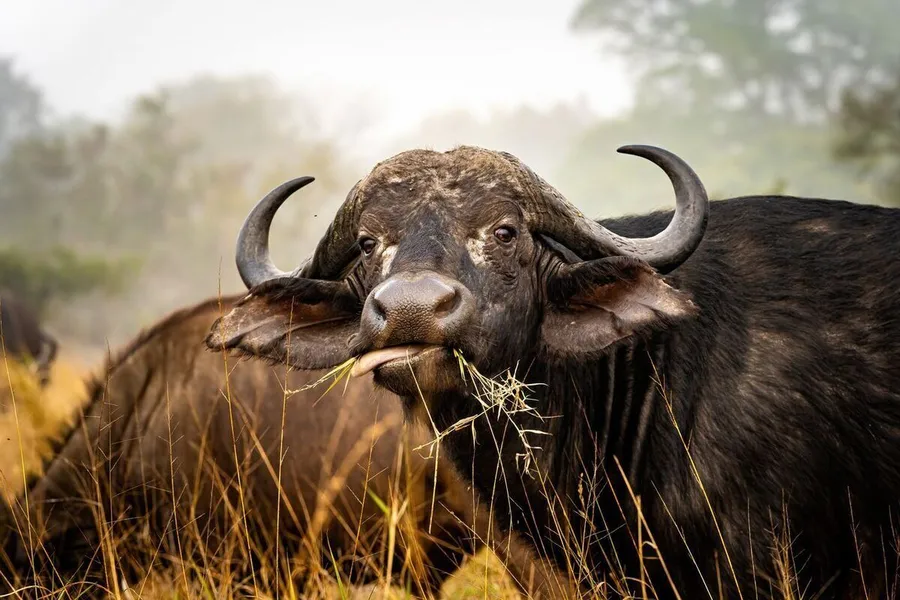
Kenyan President William Ruto wants the country to explore buffalo milk production as his government looks for ways to address milk shortages and diversify the dairy sector.
Speaking at the Agriculture and Food Systems Transformation Summit at the Jamhuri ASK Showground in Nairobi on 8 October, Ruto said he had instructed the Principal Secretary for Livestock Development to explore sourcing improved camel and buffalo breeds.
“I hear buffaloes also produce a lot of milk. If others are milking them, why can’t we do the same? What is wrong with that? We need to diversify our sources of milk,” he said, according to The Star.
Why Ruto wants Kenya to explore buffalo milk
The proposal comes as prolonged drought and rising animal feed costs put pressure on Kenya’s dairy industry.
According to the* Kenya News Agency,* formal milk deliveries to processors fell from 84.4 million litres in June to 81.3 million litres in July 2026.
Preliminary figures indicated a further decline in August.
The dry conditions have reduced pasture and fodder availability, making it more expensive for farmers to maintain milk production.
By exploring alternative milk sources, the government hopes to expand production and reduce the dairy sector’s reliance on conventional cattle farming.
Ruto pointed to India, where domestic water buffaloes are widely reared for commercial milk production, as an example Kenya could consider.
What makes buffalo milk different?
Buffalo milk generally contains more fat and total solids than cow’s milk, making it suitable for producing butter, cheese, yoghurt and ghee.
Its higher fat content can also make it attractive to dairy processors seeking milk for products that require richer ingredients.
However, introducing buffaloes into Kenya’s dairy sector would require further assessment, including the suitability of breeds, animal health, feeding requirements and the costs of establishing commercial farms.
Ruto’s proposal remains exploratory, and the government has yet to establish whether buffalo farming would be commercially viable on a large scale.
Ruto also considers camel milk
Buffaloes are not the only alternative Ruto wants Kenya to investigate.
The president also highlighted the commercial potential of camel milk, particularly for farmers in areas affected by dry conditions.
He said a litre of camel milk sold for between KSh180 and KSh200 (approximately R23 to R25) in urban markets, making it an attractive potential source of income.
“It’s triple the cow’s milk, so it’s good for us to start to think; we’re currently facing a milk shortage because of drought,” he said.
Kenya’s proposal to explore buffalo and camel milk production comes as the country seeks to strengthen its dairy supply and give farmers more options amid changing weather conditions.
Follow the story
About this article
- Length
- 436 words · 2 min read
- Published
- October 12, 2026
- Byline
- Dumani Moyo
- Source
- South African