

SA’s new-car sales hit 2026 high, but interest rate hike test still to come
South Africa’s new-vehicle market recorded its strongest monthly performance of 2026 in September, with passenger cars and light commercial vehicles driving double-digit growth, although the impact of the latest interest rate hike is only expected to become clearer in October. Industry body Naamsa said 61,645 new vehicles were sold during the month, up 12.7% from the 54,706 units recorded in September 2025. September sales were also 6.5% higher than August and capped a strong third quarter for a

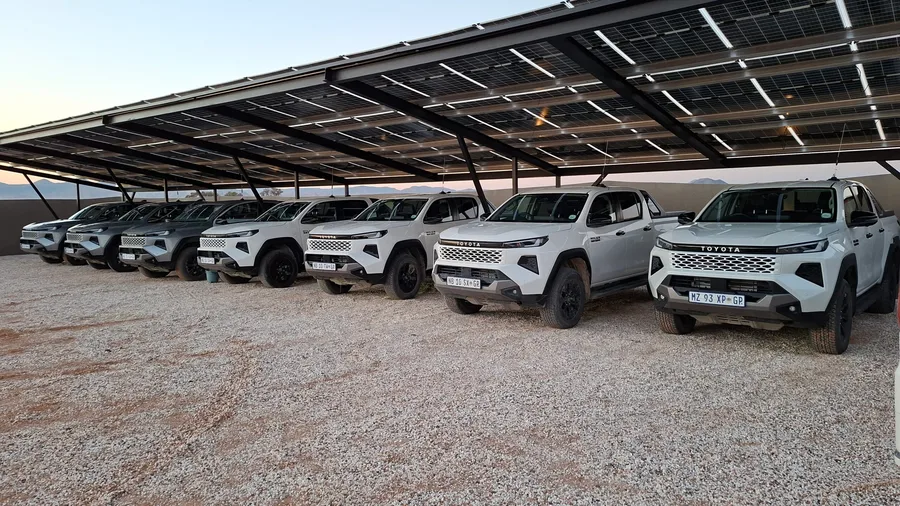
South Africa’s new-vehicle market recorded its strongest monthly performance of 2026 in September, with passenger cars and light commercial vehicles driving double-digit growth, although the impact of the latest interest rate hike is only expected to become clearer in October.
Industry body Naamsa said 61,645 new vehicles were sold during the month, up 12.7% from the 54,706 units recorded in September 2025.
September sales were also 6.5% higher than August and capped a strong third quarter for an industry navigating higher fuel costs, inflationary pressures and continued pressure on household disposable income. Passenger-car sales rose 14.7% year-on-year to 44,291 units, while light commercial vehicles, including bakkies and minibuses, increased 9.6% to 14,361 units.
READ: Naamsa unveils 2026 Accelerator Awards nominees as competition heats up
Dealerships remained the dominant sales channel, accounting for an estimated 81.4% of total sales. Vehicle rental companies accounted for 13.8%, including 18.4% of passenger-car sales.
The performance came as the South African Reserve Bank announced a 25 basis point increase in the repo rate on September 23, taking it to 7.25% and pushing the prime lending rate to 10.75%. However, the full impact of the increase is unlikely to be reflected in September’s sales figures. With the decision coming late in the month, some vehicle purchases and finance applications would already have been approved or concluded before the higher rate took effect.
October’s sales figures should therefore provide a clearer indication of how consumers are responding to the increased cost of borrowing.
Naamsa CEO Dr Mncane Mthunzi said the September numbers showed the resilience of the domestic market despite the increasingly difficult environment confronting consumers and businesses.
“The South African new vehicle market closed the third quarter of 2026 on a remarkably resilient footing, with September sales increasing by 12.7% year-on-year to 61,645 units,” Mthunzi said.
NADA chairperson Brandon Cohen said the stronger third quarter provided dealers and manufacturers with a positive platform heading into the final three months of the year.
“The opportunity now is to sustain that momentum by matching the vehicles and finance options available to what customers need and can afford,” Cohen said.
Affordability could, however, become an increasingly important test of whether the momentum can be maintained. WesBank recorded 88,271 applications for new-vehicle finance during September and 136,486 for used vehicles, with the average value of new vehicles it financed sitting at R407,171.
READ: Hyundai CEO says price alone is not enough to sway SA’s motorists
Thanda Sithole, senior economist at FNB and WesBank, said the finance data suggested buyers were adapting their purchasing behaviour rather than abandoning the market.
“The application trends suggest that customers are not simply stepping away from the market in response to affordability pressures; they are adjusting how they structure their vehicle purchases,” Sithole said.
WesBank said customers were increasingly considering the total cost of ownership, while finance contract periods had lengthened and more buyers were choosing fixed interest rates to provide greater certainty over monthly repayments.
Toyota South Africa Motors was among the major beneficiaries of September’s stronger market, recording 15,366 sales — its strongest monthly performance, for a 24.9% share of the overall market.
Its Hilux remained a major volume contributor with 3,769 units, while the locally manufactured Corolla Cross recorded 1,964 sales. The Starlet Cross and Starlet contributed 1,578 and 1,573 units, respectively.
Toyota SA senior vice-president of sales and marketing Leon Theron said the performance reflected encouraging demand across passenger, commercial and fleet segments.
“While economic conditions remain challenging, September’s performance reflects encouraging levels of consumer and business confidence,” Theron said.
Meanwhile, electrified vehicles continue to gain ground, although from a relatively small base. Sales of new-energy vehicles reached 18,945 units during the first eight months of 2026, already exceeding the 16,703 sold during the whole of 2025 by 13.4%.
Hybrids accounted for 49.6% of NEV sales, plug-in hybrids 36.5% and fully electric vehicles 13.8%. Combined, plug-in hybrids and battery-electric vehicles now represent slightly more than half of the electrified market.
The export picture was less positive. Vehicle exports fell 18.8% year-on-year to 31,473 units in September, highlighting the contrasting fortunes of the domestic and export markets.
With the fourth quarter now under way, October could provide a more telling test of the strength of South Africa’s vehicle market as the higher interest rate filters through to finance repayments and consumers weigh vehicle prices against rising fuel, financing and broader living costs.
Follow the story
About this article
- Length
- 734 words · 4 min read
- Published
- October 5, 2026
- Byline
- Edward Moleke Makwana
- Source
- Sunday World